Modern Beauty Essentials: Hair Solutions, Skincare, Makeup and Cosmetics for Everyday Confidence
The modern beauty industry has transformed the way people think about personal care. Beauty is no longer simply about following trends or purchasing expensive products. It is increasingly about understanding individual needs, developing healthy habits, and selecting products that support confidence and self-expression. Hair care, skincare, makeup, and cosmetics all contribute to a complete approach to beauty and personal wellness.
With thousands of products available in stores and online, choosing the right beauty solutions can sometimes feel overwhelming. Advertisements often promise quick results, while social media introduces new trends almost every day. However, an effective beauty routine does not have to be complicated. The most important principles are consistency, proper product selection, good hygiene, and understanding what your hair and skin actually need.
The Foundation of Effective Hair Care
Hair is one of the most noticeable aspects of personal appearance, which is why maintaining healthy and manageable hair is important to many people. Regardless of whether the hair is natural, chemically treated, curly, straight, thick, or fine, proper care can improve its appearance and manageability.
A good hair-care routine begins with the scalp. The scalp can accumulate sweat, oil, dead skin cells, and styling-product residue. Regular cleansing helps remove this buildup and keeps the scalp feeling fresh.
However, washing hair too frequently or using unsuitable products may leave some hair types feeling dry. The ideal washing schedule depends on the individual’s scalp, hair texture, lifestyle, and use of styling products.
Conditioning should also be an important part of the routine. Conditioner helps improve softness and manageability and can make detangling easier. For hair that feels particularly dry or damaged, a periodic deep-conditioning treatment may provide additional moisture and conditioning.
Hair Solutions for Dryness and Breakage
Dryness and breakage are common hair concerns. They can be influenced by excessive heat, chemical treatments, environmental conditions, rough handling, and insufficient conditioning.
One way to reduce unnecessary damage is to limit excessive heat styling. When using blow dryers, straighteners, or curling tools, appropriate heat protection and moderate temperatures can help reduce exposure to damaging heat.
Gentle handling is equally important. Pulling aggressively through knots can cause unnecessary breakage. Using suitable tools and working through tangles carefully can make a difference.
Protective hairstyles can also reduce frequent manipulation. Braids, twists, buns, and other styles may help protect the hair, but they should be comfortable and not excessively tight.
Understanding the Importance of Scalp Care
Healthy-looking hair begins at the scalp. A scalp-care routine should focus on cleanliness, comfort, and avoiding unnecessary irritation.
People experiencing persistent itching, severe flaking, sores, sudden hair loss, or other concerning scalp changes should not rely solely on cosmetic products. Such problems may require evaluation by a qualified healthcare professional.
For everyday care, avoid applying excessive amounts of heavy styling products directly to the scalp unless the product is specifically intended for that purpose. Keeping combs, brushes, and other hair tools clean can also support good hygiene.
Building a Practical Skincare Routine
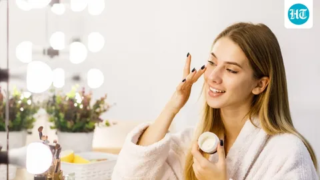
Beautiful-looking skin starts with consistent care rather than a complicated collection of products. A basic skincare routine can include cleansing, moisturizing, and sun protection.
Cleansing helps remove dirt, sweat, excess oil, and makeup. A gentle cleanser that suits your skin type can help maintain cleanliness without creating unnecessary dryness.
Moisturizing is another essential step. The skin naturally loses moisture throughout the day, and environmental conditions can influence how dry or hydrated it feels. A suitable moisturizer helps support the skin’s protective barrier.
During the daytime, sunscreen is an important part of skin protection. Exposure to ultraviolet radiation can contribute to premature skin aging and skin damage, making daily sun protection a valuable long-term habit.
Choosing Products According to Skin Needs
Everyone’s skin is different. Some people have oily skin, while others experience dryness or combination skin. Some individuals also have sensitive skin that reacts easily to particular ingredients.
Instead of selecting products simply because they are popular, consider whether they are suitable for your individual needs. Read product information carefully and introduce new products gradually.
Using several powerful products at the same time can sometimes lead to irritation. A simpler routine makes it easier to understand how your skin responds.
If a skincare product causes persistent burning, swelling, severe irritation, or another concerning reaction, stop using it and seek appropriate professional advice.
The Connection Between Skincare and Makeup
Skincare and makeup work together. Good makeup application often begins with well-prepared skin.
Before applying foundation, the face should be clean and appropriately moisturized. Allowing skincare products to settle before makeup application can help create a smoother base.
Primer can be useful for people who want to address specific concerns such as shine, dryness, or makeup longevity. However, primer is not essential for every person or every makeup routine.
The goal is to create a comfortable base that allows makeup to sit evenly.
Choosing the Right Makeup Products
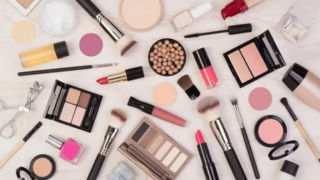
The right makeup products depend on personal preference, skin type, lifestyle, and occasion. Foundation, concealer, powder, blush, mascara, eyeshadow, eyeliner, and lipstick are among the most common products used to create different looks.
Foundation should match the wearer’s complexion as closely as possible. Selecting the right undertone is also important because two foundations with similar shades may look very different depending on their undertones.
Concealer can be used strategically to provide additional coverage or brighten specific areas. It does not always need to be applied heavily across the entire face.
For everyday makeup, a lightweight approach can create a polished appearance without feeling excessive.
Creating a Natural Everyday Makeup Look
A natural makeup look can be both professional and attractive. Begin with skincare preparation, followed by a light base if desired.
Use concealer only where additional coverage is needed. Add a small amount of blush to bring warmth to the face, then define the brows naturally.
Neutral eyeshadow and mascara can enhance the eyes without creating an overly dramatic appearance. Finish with a lip balm, gloss, or subtle lipstick.
This type of makeup is versatile and can work well for work, school, meetings, casual outings, and everyday activities.
Creating a Glamorous Makeup Look
For celebrations and special occasions, a more dramatic makeup style may be appropriate. A glamorous look might include fuller foundation coverage, defined brows, stronger eyeshadow, eyeliner, false lashes, contouring, highlighter, and bold lip color.
However, glamorous makeup still benefits from balance. If the eyes are particularly dramatic, a softer lip may create a more coordinated appearance. Alternatively, a bold lip can become the main feature while the eye makeup remains relatively simple.
The best makeup is not necessarily the makeup with the most products. Precision, blending, and appropriate color selection are often more important.
Cosmetics and Product Safety
Cosmetic hygiene should never be overlooked. Makeup brushes and sponges can collect oils, makeup residue, and microorganisms when they are not cleaned regularly.
Products used around the eyes and lips should not be shared with other people. Sharing cosmetics can increase the possibility of transferring microorganisms.
Cosmetics should also be stored according to the manufacturer’s recommendations. Excessive heat, moisture, or direct sunlight may affect some products.
Pay attention to changes in smell, color, texture, or consistency. If a product appears significantly different from when it was purchased, it may no longer be appropriate to use.
Building a Beauty Collection Without Overspending
A successful beauty routine does not require purchasing every product that appears on social media. Start with essential items and expand your collection gradually.
For hair, basic products might include shampoo, conditioner, a moisturizing treatment, and a styling product appropriate for your hair type.
For skincare, cleanser, moisturizer, and sunscreen provide a practical foundation. Additional treatments can be introduced when there is a specific reason to use them.
For makeup, a basic collection might include foundation or skin tint, concealer, powder, blush, mascara, brow products, and lip color.
Buying fewer products that you actually use can be more beneficial than collecting products that remain unused.
Beauty Trends and Social Media
Social media has created an enormous platform for beauty education and inspiration. Tutorials can teach people how to style their hair, apply makeup, and develop skincare routines.
However, online content should be approached critically. Not every beauty trend is suitable for every individual. Some viral techniques may also involve products or practices that are not appropriate for certain skin or hair types.
Before adopting a trend, consider its purpose, ingredients, potential risks, and whether it fits your personal needs.
Making Beauty Part of Your Lifestyle
Beauty care works best when it becomes a consistent lifestyle rather than an occasional activity. Small habits performed regularly can have a greater impact than dramatic changes made only once in a while.
Wash and condition your hair appropriately, protect it from unnecessary damage, cleanse and moisturize your skin, use sun protection, keep makeup tools clean, and select cosmetics carefully.
Sleep, hydration, nutrition, stress management, and general hygiene can also influence how a person looks and feels. Beauty products are only one part of a much larger picture.
Final Thoughts
Hair solutions, skincare routines, makeup, and cosmetics are powerful tools for personal care and self-expression. However, the foundation of beauty should always be healthy habits and informed choices.
Taking care of your hair involves understanding your hair type, maintaining the scalp, conditioning appropriately, and minimizing unnecessary damage. Skincare requires consistency, with cleansing, moisturizing, and sun protection forming the foundation of many routines.
Makeup provides an opportunity to enhance natural features and express individuality. Whether you prefer a simple everyday look or a dramatic style for special occasions, choosing appropriate products and applying them thoughtfully can produce excellent results.
Most importantly, beauty should be personal. Do not feel pressured to follow every trend or purchase every new product. Learn what works for your hair, understand your skin, select cosmetics responsibly, and create a routine that fits your lifestyle.
When hair care, skincare, makeup, and cosmetics are approached with knowledge and consistency, beauty becomes more than appearance. It becomes a practical form of self-care that can support confidence, creativity, and a positive relationship with your personal image.