Building a Personalized Beauty Routine: Hair Care, Skin Care, Makeup and Cosmetic Essentials
Beauty is not simply about following the latest trend or purchasing expensive products. A truly effective beauty routine is built around understanding individual needs, choosing suitable products, maintaining consistency, and developing healthy habits. Hair, skin, and makeup all require different approaches, but when they are combined thoughtfully, they can create a complete personal care system that supports both appearance and confidence.
A personalized beauty routine should begin with the basics: healthy hair, well-maintained skin, appropriate cosmetics, and makeup techniques that enhance natural features. Whether someone prefers a simple everyday appearance or a more polished look for professional and social occasions, the right routine can make beauty care more manageable and enjoyable.
Understanding Your Personal Beauty Needs
Before purchasing beauty products, it is important to understand what your hair and skin actually need. Every person has different characteristics, including hair texture, scalp condition, skin type, sensitivity, lifestyle, and daily environment.
For example, someone with dry hair may need more conditioning and moisture, while someone with an oily scalp may benefit from a cleansing routine that removes excess oil without being unnecessarily harsh. Similarly, people with dry skin often require richer moisturizers, while those with oily or combination skin may prefer lightweight products.
Understanding these differences prevents unnecessary product use and makes it easier to create a routine that delivers practical results.
Instead of choosing products simply because they are popular, consider questions such as:
- What is my hair texture?
- Is my scalp oily, dry, or balanced?
- Does my hair break easily?
- Is my skin dry, oily, combination, or sensitive?
- What problems am I trying to address?
- How much time can I realistically spend on my beauty routine?
- Which products fit my budget and lifestyle?
A routine that works well should be realistic enough to maintain consistently.
Creating a Strong Hair Care Foundation
Healthy-looking hair begins with proper maintenance. Hair care should focus not only on appearance but also on protecting the scalp, minimizing breakage, and maintaining moisture.
Cleansing is one of the most important steps. A suitable shampoo can help remove dirt, excess oil, sweat, and styling-product buildup. However, washing too aggressively or using unsuitable products may leave the hair feeling dry or uncomfortable.
Conditioning should follow cleansing when appropriate. Conditioner helps improve softness, manageability, and smoothness. People with particularly dry or damaged hair may also incorporate a deep-conditioning treatment into their routine.
Another important consideration is how hair is handled after washing. Rough towel drying, excessive brushing, and frequent exposure to high heat can contribute to breakage. Gently removing excess water and handling wet hair carefully can help reduce unnecessary stress.
Scalp Care Should Not Be Ignored
The scalp is the foundation from which hair grows, making scalp care an essential part of a complete hair routine. A clean and well-maintained scalp can support comfortable hair maintenance and reduce product buildup.
Scalp care may include regular cleansing, gentle massage, and avoiding excessive accumulation of heavy styling products. People experiencing persistent itching, severe flaking, sudden hair loss, or other concerning scalp changes should consider consulting a qualified healthcare professional or dermatologist rather than relying solely on cosmetic products.
Healthy hair care is not about using dozens of products. It is about using the right products consistently and treating both the hair and scalp with care.
Managing Dryness, Frizz and Hair Damage
Dryness and frizz are common concerns for many people. Environmental conditions, frequent heat styling, chemical treatments, and inadequate conditioning can all influence the appearance and manageability of hair.
A practical approach involves reducing unnecessary sources of damage. Heat tools should be used carefully, and heat-protective products can be considered when styling with heat. Frequent chemical processing should also be approached cautiously, particularly if the hair already feels weak or brittle.
Regular conditioning can improve the feel and appearance of dry hair. Protective hairstyles may also help reduce daily manipulation, although hairstyles should not be excessively tight because prolonged tension can cause discomfort and hair damage.
The goal should be healthy, manageable hair rather than simply achieving a temporary appearance.
Building a Consistent Skin Care Routine
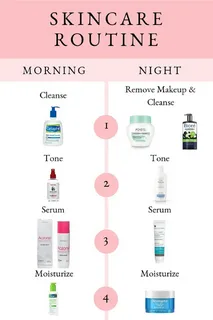
Skin care does not have to be complicated. A well-designed routine can often be organized around a few essential steps: cleansing, moisturizing, and sun protection.
Cleansing helps remove dirt, sweat, excess oil, and cosmetic residue. The cleanser should be appropriate for the person’s skin type and should not leave the skin feeling excessively tight or uncomfortable.
Moisturizing is another fundamental step. Even people with oily skin can benefit from moisturization because healthy skin requires an appropriate balance of hydration and protection.
Sun protection is especially important during daytime. Regular use of broad-spectrum sunscreen can help protect exposed skin from ultraviolet radiation. Choosing a sunscreen that is comfortable enough to use consistently is often more practical than selecting a product that feels unpleasant and is rarely applied.
Adapting Skin Care to Different Skin Types
Different skin types require different approaches.
Dry Skin
Dry skin may feel tight, rough, or uncomfortable. A gentle cleanser and nourishing moisturizer can help support the skin barrier. Avoiding unnecessarily harsh cleansing can also be beneficial.
Oily Skin
Oily skin tends to produce more sebum. Lightweight, non-comedogenic products may be preferable, while excessive cleansing should be avoided because it can leave the skin irritated.
Combination Skin
Combination skin can be oily in some areas and dry in others. A balanced routine may require different levels of hydration across different areas of the face.
Sensitive Skin
Sensitive skin may react easily to certain products or ingredients. Introducing new products gradually and choosing gentle formulations can make a routine easier to manage.
The most important principle is consistency. Constantly changing products can make it difficult to understand what works and what does not.
Preparing the Skin Before Makeup
Makeup generally looks better when applied to well-prepared skin. Preparation does not require a complicated collection of products.
Start with clean skin, followed by a suitable moisturizer. During the day, sunscreen should remain an important part of the routine. Depending on the makeup style and skin needs, a primer can also be used to create a smoother base.
Allowing skin care products enough time to settle before applying makeup can help prevent excessive pilling or uneven application.
Good makeup preparation is therefore not just about cosmetics. It begins with proper skin care.
Choosing Makeup That Enhances Natural Features
Makeup should be used as a tool for enhancement rather than a requirement for looking attractive. Different people have different preferences, and there is no single definition of the perfect makeup routine.
For everyday makeup, a simple combination of complexion products, brows, mascara, blush, and lip color may be sufficient. For special occasions, additional techniques can be introduced gradually.
Foundation should be selected according to both skin type and complexion. Finding a suitable shade is important because a mismatched foundation can make the overall look appear unnatural.
Concealer can be used strategically rather than applied heavily across the entire face. Blush and bronzer can add dimension, while highlighter can provide a subtle glow when used appropriately.
The best results often come from controlled application rather than using excessive amounts of product.
Creating Professional Makeup Looks
Professional environments often benefit from makeup that appears polished, clean, and appropriate rather than overly dramatic.
A professional makeup routine might include:
- A lightweight or medium-coverage complexion base
- Naturally defined eyebrows
- Neutral eye colors
- Subtle mascara
- Soft blush
- A suitable lip color
- A natural finish
The purpose is to create a well-maintained appearance while allowing personal style to remain visible.
Makeup for Events and Special Occasions
Special occasions provide an opportunity to experiment more with makeup. Evening events may allow stronger eye definition, richer lip colors, more noticeable contouring, or additional glow.
However, dramatic makeup still benefits from balance. If the eyes are highly emphasized, a softer lip may create a more coordinated appearance. Alternatively, a bold lip can become the central feature while the rest of the makeup remains relatively understated.
The best event makeup is not necessarily the most complicated. It is makeup that complements the outfit, occasion, lighting, and personal style.
Choosing Cosmetics More Intelligently
Cosmetic shopping can become overwhelming because of the enormous number of products available. Smart purchasing starts with identifying what is actually needed.
Instead of buying products simply because they are trending, examine the purpose of each product. Consider its ingredients, formulation, intended use, suitability for your skin or hair, and how frequently it will realistically be used.
It is also important to pay attention to product storage and expiration guidance. Cosmetics should be kept according to the manufacturer’s recommendations, especially products exposed to heat, moisture, or direct sunlight.
Beauty Product Hygiene
Hygiene is an essential part of cosmetic use. Makeup brushes and applicators should be cleaned regularly, particularly when used frequently. Products should not be unnecessarily shared, especially products that come into direct contact with the eyes or lips.
Keeping cosmetic containers closed when not in use can help protect products from unnecessary exposure. If a product develops an unusual smell, texture, or appearance, it may be appropriate to stop using it.
Good hygiene protects the investment made in beauty products while supporting safer cosmetic practices.
Building a Budget-Friendly Beauty Routine
A professional beauty routine does not require an unlimited budget. In fact, a smaller collection of carefully selected products can be more effective than a large collection of products that are rarely used.
Prioritize essentials first. For hair, this may include shampoo, conditioner, and one or two targeted treatments. For skin, cleanser, moisturizer, and sunscreen can form the foundation. Makeup can then be built gradually according to personal needs.
Quality should be evaluated by suitability and performance rather than simply by price or brand recognition.
The Role of Lifestyle in Beauty
Beauty products are only one part of maintaining a healthy appearance. Lifestyle habits also influence how hair and skin look and feel.
Adequate sleep, balanced nutrition, regular physical activity, stress management, and appropriate hydration can all contribute to general well-being. Although cosmetics can improve the external appearance, they cannot replace healthy lifestyle practices.
A sustainable beauty routine should therefore fit naturally into everyday life rather than becoming an exhausting collection of complicated steps.
Avoiding Unrealistic Beauty Expectations
Modern beauty marketing can sometimes create unrealistic expectations. Filters, editing, carefully controlled lighting, and professional photography can make cosmetic results appear very different from everyday reality.
A good beauty routine should enhance confidence rather than create pressure to achieve perfection.
Healthy skin can have texture. Hair can experience frizz. Makeup can crease. Products can sometimes fail to deliver the expected results. These are normal realities of beauty care.
The goal should be to look and feel well cared for, not to achieve an artificial standard of perfection.
Conclusion
A personalized beauty routine brings together several important areas of self-care, including hair maintenance, scalp care, skin care, makeup, and cosmetic selection. The most effective approach is not necessarily the one with the largest number of products. Instead, it is the routine that matches individual needs and can be maintained consistently.
Healthy hair begins with proper cleansing, conditioning, scalp care, and protection from unnecessary damage. Healthy-looking skin benefits from appropriate cleansing, hydration, and daily sun protection. Makeup can then be used to enhance natural features and create different looks for everyday life, professional environments, and special occasions.
Most importantly, beauty should support confidence rather than create unrealistic expectations. By understanding personal needs, choosing products carefully, practicing good hygiene, and maintaining consistent habits, anyone can develop a professional and practical beauty routine that works for their lifestyle.
The modern approach to beauty is ultimately about balance: caring for the skin, protecting the hair, choosing cosmetics wisely, and using makeup creatively while maintaining a healthy relationship with personal appearance.