The Complete Beauty Guide: Smart Hair Solutions, Healthy Skin, Makeup and Cosmetic Choices
Beauty is no longer simply about applying makeup or following the latest trend. Modern beauty is about creating a balanced approach that supports healthy hair, well-maintained skin, confident makeup application, and informed cosmetic choices. A successful beauty routine should not only improve appearance but also protect the hair and skin from unnecessary damage while making everyday grooming easier and more enjoyable.
From choosing the right shampoo to developing an effective skincare routine and selecting cosmetics that complement your features, every decision can influence your overall appearance. The key is understanding what your hair, skin, and personal style actually need rather than following every beauty trend available online.
Understanding the Foundation of Personal Beauty
A beautiful appearance begins with proper care. Makeup can enhance facial features, but it cannot replace healthy skin. Similarly, styling products can create an attractive hairstyle, but consistent hair care is necessary to maintain strength, softness, and shine.
This is why a complete beauty strategy should begin with three foundations: healthy hair, properly cared-for skin, and suitable cosmetics.
Understanding your individual needs is especially important. Hair texture, scalp condition, skin type, climate, lifestyle, age, and daily activities can all influence the products that work best.
Someone with naturally dry hair may need more moisturizing products, while someone with oily roots may require a lighter routine. Likewise, people with dry skin may benefit from richer moisturizers, whereas those with oily skin often prefer lightweight formulations.
Personalization makes beauty routines more effective and sustainable.
Effective Hair Solutions for Everyday Hair Problems
Hair problems can develop for many reasons, including excessive heat, chemical treatments, poor product selection, environmental exposure, inadequate moisture, and rough handling. Common concerns include dryness, split ends, frizz, breakage, weak strands, and an unhealthy-looking scalp.
The first step toward solving these problems is identifying their possible cause.
Choose Hair Products Carefully
Shampoo should clean the scalp and hair without unnecessarily leaving it feeling stripped or excessively dry. Conditioner helps improve softness and manageability while reducing friction during combing and styling.
People who frequently use heat styling tools may also benefit from products designed to provide heat protection. Hair masks and conditioning treatments can be incorporated periodically when additional moisture or conditioning is needed.
However, using more products does not automatically produce better results. A simple routine with suitable products can often be more effective than using a large collection of products without understanding their purpose.
Give the Scalp Proper Attention
Healthy hair begins with a healthy scalp. Product buildup, excessive oil, dryness, and irritation can affect how the hair looks and feels.
Regular cleansing can help maintain a clean scalp, while avoiding excessive scratching or aggressive brushing can reduce unnecessary irritation. Scalp massage may also be incorporated into a grooming routine as a relaxing practice.
If persistent scalp problems or unusual hair loss occur, professional medical or dermatological advice is more appropriate than continuously changing cosmetic products.
Reduce Unnecessary Hair Damage
Heat styling can make hair look polished, but frequent high-temperature styling may contribute to dryness and breakage. Where possible, allow hair to dry naturally or use lower heat settings.
Tight hairstyles can also place repeated tension on the hairline and scalp. Alternating hairstyles and avoiding unnecessary pulling can help reduce mechanical stress.
Protective habits are often more valuable than expensive products because preventing damage is easier than repairing severely damaged hair.
Building a Practical Skincare Routine
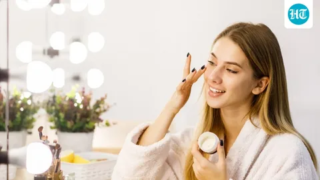
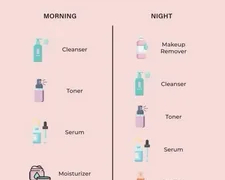
Skincare does not need to involve dozens of products. A consistent routine built around a few essential steps can provide a strong foundation.
A basic routine commonly includes cleansing, moisturizing, and sun protection.
Cleansing
A cleanser removes excess oil, dirt, sweat, and cosmetic residue from the skin. However, cleansing too aggressively can leave the skin uncomfortable and dry.
The goal should be clean skin that still feels balanced rather than tight or irritated.
Makeup should also be removed appropriately at the end of the day. Leaving cosmetic products on the skin overnight can contribute to clogged pores and irritation for some people.
Moisturizing
Moisturizers help support the skin barrier and maintain a comfortable level of hydration. Different skin types may require different textures.
A lightweight lotion or gel may be preferable for some people with oily skin, while a richer cream may feel more comfortable on dry skin.
Consistency matters more than constantly changing products.
Sun Protection
Sun protection is one of the most important parts of a daytime skincare routine. Regular exposure to ultraviolet radiation can contribute to premature skin aging and other skin damage.
Using a suitable broad-spectrum sunscreen and following the product’s application instructions can help protect exposed skin. Sun protection is particularly important when spending extended periods outdoors.
Preparing the Skin Before Makeup
One of the secrets to better makeup is preparing the skin properly.
When the skin is excessively dry or rough, foundation may emphasize texture. When the skin is overly oily, makeup may move or lose its finish more quickly.
A simple preparation routine can include cleansing, moisturizing, and allowing skincare products enough time to settle before applying makeup.
Primer can also be useful depending on the desired makeup finish. Some primers are designed to create a smoother appearance, while others are intended to support a particular finish.
The purpose should always be considered before adding another product to the routine.
Makeup That Enhances Rather Than Hides
Professional makeup does not necessarily mean heavy makeup. In many situations, the most effective look is one that enhances natural features while creating a polished appearance.
Foundation should be selected based on skin tone and desired coverage. Applying a moderate amount and building coverage gradually can create a more natural result.
Concealer can be used selectively where additional coverage is needed. Instead of applying large amounts across the entire face, targeted application can often produce a cleaner finish.
Brows are another important part of facial presentation. Well-groomed brows can frame the face and contribute to a more balanced appearance.
Eye makeup can range from simple neutral shades for everyday wear to more dramatic combinations for evening occasions. The appropriate style depends on the setting, clothing, personal preference, and desired effect.
Lip products can complete the look. Neutral shades may work well for professional environments, while stronger colors can be appropriate for parties, celebrations, photography, or evening events.
Choosing Cosmetics With Intelligence
The cosmetics market offers an enormous range of products, from foundations and concealers to lipsticks, blushes, eyeshadows, powders, and setting products.
With so many choices available, consumers should learn to evaluate cosmetics beyond attractive packaging.
Consider the product’s intended purpose, formulation, shade range, application method, and suitability for your needs.
It is also useful to avoid purchasing products simply because they are trending on social media. A product can be popular without being appropriate for every individual.
Quality and Cosmetic Hygiene
Cosmetic hygiene should never be overlooked.
Makeup brushes and applicators should be cleaned regularly, particularly when they are used frequently. Cosmetic products should also be stored appropriately and replaced according to their condition and the manufacturer’s guidance.
Sharing products that come into direct contact with the eyes or lips can increase hygiene concerns.
Good cosmetic hygiene protects the investment made in beauty products while supporting healthier makeup habits.
Combining Hair, Skin and Makeup for a Complete Look
The strongest beauty routines are coordinated rather than isolated.
For example, a polished hairstyle can complement a natural makeup look. Healthy-looking skin can reduce the need for heavy foundation. A simple hairstyle may allow dramatic eye makeup to become the main focus, while an elaborate hairstyle might work better with understated cosmetics.
Clothing and accessories also influence the overall presentation.
This does not mean every part of the appearance must match perfectly. Instead, the goal is balance.
Beauty is most effective when individual elements work together rather than competing for attention.
Adjusting Beauty Routines to Different Occasions
A beauty routine for work may be different from one designed for a wedding, party, vacation, or professional photoshoot.
For everyday activities, a simple skincare routine, manageable hairstyle, light makeup, and comfortable cosmetics may be enough.
For special occasions, more time can be dedicated to hair preparation, complexion makeup, eye definition, and finishing details.
Long events may require additional attention to makeup longevity. Products such as setting powder or setting spray may help depending on the desired finish and formulation.
The important principle is adaptability. A good beauty routine should work with your lifestyle instead of becoming an unnecessary burden.
Beauty and Confidence
Beauty products can improve presentation, but confidence should not depend entirely on appearance.
A healthy approach to beauty recognizes that everyone has different facial features, hair textures, skin characteristics, and personal preferences. Social media can create unrealistic expectations because photographs are often influenced by lighting, editing, professional makeup, filters, and carefully selected angles.
Instead of attempting to copy every online trend, individuals can identify the styles that make them feel comfortable and confident.
The purpose of cosmetics should be enhancement, creativity, self-expression, and personal enjoyment—not pressure to achieve unrealistic perfection.
Making Better Beauty Purchases
A thoughtful shopping strategy can prevent unnecessary spending.
Before purchasing a new beauty product, consider whether it solves a genuine problem or simply represents a temporary trend. Checking the products you already own can also prevent buying duplicates.
Creating a basic beauty budget can be helpful. Prioritize essential hair and skincare products before spending heavily on occasional makeup items.
It is also worth remembering that expensive does not automatically mean better. The most valuable product is one that is appropriate for your needs, used correctly, and consistently incorporated into your routine.
Creating a Sustainable Beauty Routine
The best routine is one you can maintain.
A complicated routine may look impressive on social media, but if it requires too much time or money, it may eventually be abandoned.
Start with the essentials. Establish consistent hair care, basic skincare, and simple makeup habits. Once these foundations are working well, additional products can be introduced when there is a genuine reason to use them.
A sustainable beauty routine should also consider environmental responsibility. Buying only what you need, avoiding unnecessary waste, and using products efficiently can make beauty habits more responsible.
Final Thoughts
A complete beauty routine is about much more than cosmetics. Healthy hair requires consistent care, healthy-looking skin benefits from an appropriate routine, and makeup becomes more effective when applied to properly prepared skin.
The modern beauty consumer has access to an extraordinary number of products, but success does not come from owning the largest collection. It comes from understanding what works, choosing products intelligently, practicing good hygiene, and maintaining realistic expectations.
Hair solutions, skincare, makeup, and cosmetics can work together to create a polished and confident appearance. When beauty is approached as a combination of health, care, style, and self-expression, the results become more sustainable and meaningful.
The most effective beauty routine is ultimately the one that fits the individual. With consistency, informed choices, and attention to personal needs, anyone can develop a professional-looking beauty approach that supports both appearance and confidence.