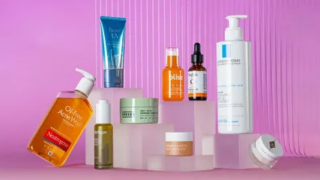
Smart Beauty Marketing: How Makeup, Cosmetics and Hair Care Brands Can Grow and Succeed
The beauty and personal care industry has become a major part of the modern consumer economy. Makeup, cosmetics, skincare, and hair care products are purchased by consumers with different lifestyles, budgets, preferences, and beauty goals. At the same time, the rise of e-commerce and social media has created new opportunities for beauty businesses to reach customers without depending entirely on traditional retail stores.
For entrepreneurs, this presents an exciting opportunity. A small cosmetics company can build an audience online, a hair care business can educate customers through video content, and a makeup brand can use social media to demonstrate its products to potential buyers around the world.
However, competition is also increasing. Customers have access to countless brands, products, reviews, and recommendations. To succeed, beauty businesses must do more than sell products. They must create value, establish trust, understand customer needs, and use marketing intelligently.
The New Era of Beauty Entrepreneurship
Starting a beauty business has become more accessible because digital tools allow entrepreneurs to reach customers directly.
A business can create a website, establish social media accounts, publish educational content, communicate with customers, and sell products online without requiring a large physical store.
But accessibility does not guarantee success.
A beauty entrepreneur still needs a clear business strategy. This begins with identifying the type of customer the business wants to serve.
A company could focus on affordable everyday cosmetics, premium makeup, professional beauty products, hair maintenance solutions, styling products, or a combination of complementary beauty categories.
The more clearly a business understands its target market, the easier it becomes to create products and marketing campaigns that appeal to that audience.
Understanding Customer Problems
Successful beauty businesses do not simply sell products. They provide solutions.
A customer may not be looking for “a bottle of hair oil.” They may be looking for a way to improve their hair maintenance routine.
Another customer may not simply want “foundation.” They may want makeup that fits their preferred appearance and daily lifestyle.
Understanding this difference can completely change the way a company markets its products.
Instead of focusing only on product features, businesses should explain how their products fit into customers’ lives.
Marketing should answer questions such as:
What problem does this product address?
Who is it designed for?
How should it be used?
What makes it different?
Why should customers consider this brand?
Clear answers can make marketing more effective.
Makeup Marketing That Creates Interest
Makeup is one of the most visually engaging areas of the beauty industry.
Customers are interested not only in individual products but also in the possibilities those products create.
A makeup business can therefore build marketing campaigns around complete looks.
For example, instead of promoting an eyeshadow palette with a simple product photograph, the company can publish a tutorial showing how to create several different looks using the palette.
Other useful content can include beginner tutorials, professional techniques, event makeup ideas, product combinations, and beauty tips.
This type of content allows customers to imagine themselves using the products.
Cosmetic Product Presentation
Presentation matters in the cosmetics industry.
Packaging, product photography, website design, and promotional materials all contribute to the customer’s first impression.
Professional presentation can communicate quality and make a brand appear more trustworthy.
However, businesses should remember that appearance should support the product rather than replace it.
Customers who purchase cosmetics expect the actual product to meet reasonable expectations. If marketing looks impressive but the product experience is disappointing, the business may struggle to retain customers.
A strong brand combines attractive presentation with dependable products and service.
Hair Care as a Recurring Business
Hair care has an important advantage for beauty businesses: customers often need products regularly.
A person may purchase hair care products repeatedly as part of an ongoing routine.
This gives businesses the opportunity to build long-term relationships rather than relying entirely on one-time purchases.
Hair care brands can support this relationship through education.
Content can cover subjects such as hair maintenance, washing routines, conditioning, styling, moisture management, product usage, and general care.
The business can then naturally introduce products that fit into the routines being discussed.
The Importance of Hair Care Education
Hair care marketing should be responsible and informative.
Consumers may encounter many exaggerated claims online. A professional brand can stand out by providing clear and realistic information.
Instead of promising instant or unrealistic results, businesses should explain what their products are designed to do and how customers can use them appropriately.
Educational content also gives businesses an opportunity to demonstrate expertise.
A company that consistently answers customer questions can become a trusted resource.
This trust may eventually influence purchasing decisions.
Social Media Marketing for Beauty Businesses
Social media is one of the most important marketing tools available to modern beauty businesses.
The visual nature of makeup and hair care makes platforms based around images and videos particularly useful.
Brands can publish tutorials, product demonstrations, customer stories, behind-the-scenes content, educational posts, and promotional announcements.
However, consistency matters.
A business does not need to publish dozens of posts every day. Instead, it should establish a realistic content schedule and focus on producing useful material.
A good social media strategy should also encourage interaction.
Businesses can ask questions, respond to comments, conduct polls, share customer experiences, and invite followers to discuss beauty topics.
This helps turn a social media page into a community rather than simply a digital advertisement board.
Short-Form Video and Product Demonstrations
Short-form video has become a powerful format for beauty marketing.
A short video can demonstrate a makeup technique, show how a hair product is used, explain a beauty tip, or introduce a new product.
The content should have a clear purpose.
A useful video might answer one specific question or demonstrate one technique rather than trying to explain everything at once.
Businesses can also repurpose successful content across multiple platforms, allowing one piece of content to provide value in several places.
Influencer Marketing With the Right Strategy
Beauty influencers can help businesses reach new customers.
However, choosing the right influencer requires more than looking at follower numbers.
A brand should consider the creator’s audience, engagement, content quality, reputation, and connection to the beauty industry.
A creator who regularly discusses makeup and hair care may have a more relevant audience than someone with a much larger following but little interest in beauty.
Businesses should also aim for genuine partnerships.
Customers can often recognize content that feels forced or excessively promotional. Authentic demonstrations and honest explanations can make influencer marketing more effective.
Building a Beauty Community
A powerful beauty brand does more than collect followers. It builds a community.
A community gives customers a place to ask questions, share experiences, learn new techniques, and interact with the brand.
Beauty businesses can encourage community participation through tutorials, customer features, questions, challenges, educational discussions, and user-generated content.
When customers feel involved, they may develop a stronger emotional connection with the brand.
Content Marketing and SEO
Search engine optimization can provide another long-term marketing opportunity.
People search online for answers to thousands of beauty-related questions every day.
A company can create articles that answer these questions and provide helpful information.
Examples include:
- How to create a simple makeup routine
- How to maintain a consistent hair care routine
- Beauty products every beginner should understand
- Common mistakes when applying makeup
- How to organize cosmetics
- Hair care tips for busy lifestyles
- How to choose products for a personal beauty routine
High-quality content can attract visitors who are actively searching for information.
If the content is useful and the website provides a good customer experience, some visitors may eventually become customers.
Email Marketing and Personalization
Email marketing remains useful for beauty brands because it allows businesses to communicate directly with customers.
Companies can send information about new products, educational articles, promotions, seasonal beauty ideas, and customer rewards.
Personalization can make these campaigns more effective.
For example, customers interested in hair care can receive hair-related content, while customers who regularly purchase makeup can receive relevant makeup recommendations.
The goal should be to make communication useful rather than overwhelming.
Customer Service as a Marketing Strategy
Customer service is often overlooked when businesses discuss marketing.
However, the customer experience can influence whether people recommend a brand or return for another purchase.
Beauty businesses should provide clear communication before and after a sale.
Questions should be answered professionally, product information should be easy to find, and problems should be handled respectfully.
A satisfied customer may become a repeat buyer and may also recommend the brand to friends, family, or social media followers.
Creating Offers Without Damaging Brand Value
Promotions can attract attention, but businesses should use them strategically.
Constant discounts can sometimes make customers wait for the next sale instead of purchasing at the regular price.
Instead, businesses can create thoughtful offers around product launches, seasonal events, loyalty programs, bundles, or special campaigns.
Bundles can be particularly useful when products complement each other.
For example, a business could create a beauty package combining selected cosmetics or a hair care routine containing complementary products.
This can increase convenience while introducing customers to more of the product range.
Measuring and Improving Marketing
A professional marketing strategy should be measured.
Businesses can monitor website traffic, sales, social media engagement, customer retention, email results, and conversion rates.
The purpose of measurement is not simply to collect numbers. It is to understand what customers respond to.
If customers engage strongly with educational videos, the business can create more of them.
If a product page receives many visitors but few purchases, the company can examine whether the page needs clearer information, better images, improved communication, or a more convenient purchasing process.
Marketing becomes stronger when businesses continually learn and improve.
The Future of Beauty Marketing
The beauty industry will continue to evolve as technology and consumer behavior change.
Online shopping will remain important, while social media will continue to influence product discovery. Customers will also expect brands to provide better information and more personalized experiences.
Businesses that combine technology with genuine customer understanding will be well positioned to grow.
But despite all the changes, some principles will remain constant.
Customers want quality.
They want honesty.
They want value.
They want good service.
And they want brands that understand their needs.
Conclusion
The modern beauty industry provides enormous opportunities for entrepreneurs and established businesses. Makeup, cosmetics, and hair care products can serve different customer needs while creating opportunities for recurring purchases and long-term relationships.
However, successful beauty marketing requires more than attractive advertising. Businesses need to understand their customers, develop useful products, create educational content, establish a recognizable brand, use social media effectively, and provide excellent customer service.
The strongest beauty brands combine quality products with smart marketing and genuine customer relationships.
A business that can educate its audience, solve real beauty needs, communicate honestly, and consistently deliver a positive customer experience has the potential to build more than a product line. It can build a trusted beauty brand that customers recognize, recommend, and return to for years to come.