Modern Beauty Essentials: Professional Hair Care, Skin Care, Makeup and Cosmetic Choices
The beauty industry continues to evolve as people become more informed about personal care, cosmetic ingredients, hair maintenance, and healthy skin practices. Today, beauty is no longer limited to occasional salon visits or applying makeup before an event. It has become an important part of everyday self-care, personal presentation, and confidence.
A complete beauty routine combines several areas of care, including healthy hair practices, effective skin care, thoughtful makeup application, and intelligent cosmetic selection. When these elements work together, they can create a polished appearance without requiring an unnecessarily complicated routine.
The key is understanding that beauty is personal. Hair texture, skin type, lifestyle, climate, professional environment, budget, and individual preferences all influence which products and techniques are appropriate. Instead of copying someone else’s routine exactly, it is better to develop a system that responds to your own needs.
Hair Care Begins With Understanding Your Hair
One of the biggest mistakes people make with hair care is choosing products based only on advertising or popularity. A product that works beautifully for one person may not produce the same results for another.
Hair texture, density, porosity, scalp condition, and styling habits can all affect how hair responds to products. Someone with fine hair may need lightweight formulas, while thicker or drier hair may benefit from richer conditioning products.
The first step toward better hair care is therefore observation. Pay attention to how your hair behaves after washing, how quickly it becomes oily, whether the ends feel dry, and whether your hair breaks easily.
Once these characteristics are understood, product selection becomes much easier.
A Professional Hair Washing Routine
Proper cleansing is essential for maintaining clean and manageable hair. Shampoo helps remove accumulated oil, sweat, dirt, and styling products from the scalp and hair.
However, cleansing should be appropriate for the individual’s needs. Washing too frequently with unsuitable products can leave some hair types feeling dry, while insufficient cleansing can contribute to buildup.
A good routine should focus on the scalp rather than aggressively scrubbing the entire length of the hair. The lengths can generally be cleaned as the product is rinsed through.
Conditioner can then be applied according to the hair’s needs, particularly toward the mid-lengths and ends.
Strengthening Hair and Reducing Breakage
Hair can become fragile because of frequent heat styling, chemical processing, aggressive brushing, environmental exposure, and excessive manipulation.
Reducing unnecessary stress is one of the most effective ways to improve hair maintenance. Heat styling should be used thoughtfully, and protective products can be incorporated when appropriate.
Hair should also be handled gently when wet because wet strands can be more vulnerable to mechanical stress. Using suitable brushes or combs and avoiding excessive pulling can help reduce breakage.
Regular trims may also help maintain a neat appearance by removing damaged ends, although trimming does not change the rate at which hair grows from the scalp.
Maintaining a Healthy Scalp
Hair care should always include attention to the scalp. A healthy-looking hairstyle begins with a well-maintained scalp environment.
Regular cleansing can help control oil and product buildup. Gentle scalp massage can also make washing feel more relaxing, although excessive scratching or aggressive treatment should be avoided.
Persistent scalp problems such as severe itching, inflammation, painful areas, or sudden changes in hair density should not simply be covered with cosmetic products. Professional evaluation may be appropriate when symptoms persist.
Protecting Hair From Everyday Damage
Everyday habits can have a major effect on hair appearance. Tight hairstyles, frequent heat exposure, harsh chemical treatments, and rough handling may contribute to damage over time.
Protective styling can be useful when it reduces manipulation, but hairstyles should not create excessive tension. Hair accessories should also be selected carefully to minimize unnecessary pulling or snagging.
Environmental conditions matter as well. Sun exposure, dry air, humidity, and pollution can affect hair texture and appearance. A thoughtful routine should therefore be flexible enough to respond to changes in weather and lifestyle.
Building an Effective Skin Care Routine
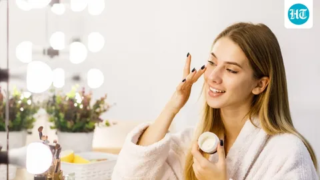
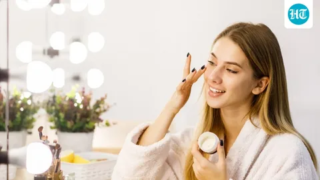
Beautiful makeup begins with well-maintained skin. This does not mean that skin must be completely flawless. Healthy skin naturally has texture, pores, and occasional imperfections.
A practical skin care routine should focus on supporting the skin rather than trying to transform it overnight.
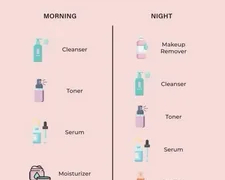
The basic structure can include cleansing, moisturizing, and sun protection. Additional products can be introduced when there is a specific reason to use them.
Cleansing Without Overdoing It
Cleansing removes substances that accumulate on the skin throughout the day. This includes sweat, excess oil, environmental dirt, and makeup.
The ideal cleanser depends on skin type and personal tolerance. A product that leaves the skin excessively tight or uncomfortable may be too harsh for that individual.
Gentle, consistent cleansing is generally more useful than repeatedly using aggressive products in an attempt to achieve perfectly clean skin.
Moisturizing for Balanced Skin
Moisturizer helps support the skin barrier and maintain a comfortable skin surface. Different skin types may prefer different textures.
People with oily skin may prefer lightweight lotions or gel-based formulations, while those with dry skin may prefer richer creams.
The important point is that oily skin does not necessarily mean hydrated skin. Skin can produce excess oil while still benefiting from appropriate hydration.
The Importance of Sun Protection
Daily sun protection is one of the most valuable long-term skin care habits. Ultraviolet exposure contributes to premature skin aging and can cause other forms of skin damage.
A broad-spectrum sunscreen should be selected according to personal preferences and used consistently on exposed areas. The most effective sunscreen is one that a person can comfortably apply as directed on a regular basis.
Sun protection should remain part of the daytime routine even when the rest of the makeup is minimal.
Preparing Skin for Makeup
Makeup application becomes easier when the skin is properly prepared.
Begin with clean skin and apply appropriate skin care products. Moisturizer can help create a comfortable surface, while sunscreen is important for daytime routines.
Depending on the desired makeup finish, a primer can be used to help create a smoother base.
One common mistake is applying too many products immediately before makeup. Allowing skin care layers to settle can help create a more even application and reduce product movement.
Selecting the Right Foundation
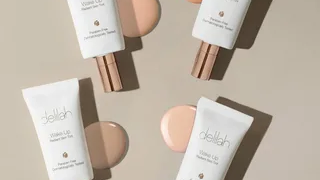
Foundation is one of the most visible cosmetic products, so selecting the right shade and formula is important.
The best shade should blend naturally with the complexion rather than creating an obvious contrast between the face and neck. Formula selection should also consider skin type and desired coverage.
Someone who wants a natural everyday look may prefer a lighter formula, while a special event may call for additional coverage.
Foundation should be applied strategically rather than automatically using a heavy layer across the entire face.
Creating Naturally Defined Features
Makeup can enhance facial features without making them appear artificial.
Eyebrows can be shaped and filled in lightly to create definition. Mascara can emphasize the eyes, while blush can bring warmth and dimension to the face.
Lip products provide another opportunity for personal expression. Neutral shades may be suitable for everyday settings, while brighter or deeper colors can create a more dramatic appearance.
The objective is not necessarily to use more makeup. Often, a smaller amount applied carefully creates a more sophisticated result.
Makeup for Different Occasions
Different environments call for different beauty approaches.
Everyday Makeup
Everyday makeup can be simple and efficient. A basic complexion product, brow definition, mascara, blush, and lip color may be enough.
Workplace Makeup
Professional makeup should generally appear polished without becoming distracting. Neutral colors and controlled application can create an elegant appearance.
Evening Makeup
Evening occasions often provide greater freedom to experiment. Stronger eye definition, richer lip colors, and additional complexion techniques can create a more dramatic result.
Special Events
Weddings, celebrations, parties, and formal gatherings may require makeup that performs well for several hours. Long-lasting products, thoughtful preparation, and controlled layering can help create a more durable look.
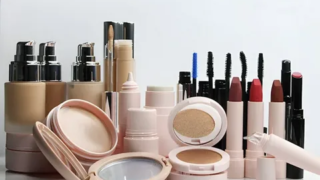
Choosing Cosmetics With Confidence
Cosmetic shopping can be overwhelming because there are countless brands, formulas, shades, and product categories available.
Instead of purchasing everything at once, build a collection based on actual needs.
Consider whether the product:
- Serves a clear purpose
- Matches your skin or hair needs
- Fits your lifestyle
- Can be used regularly
- Has appropriate storage requirements
- Provides reasonable value for its price
A large makeup collection is not automatically better than a small one. A carefully selected collection of versatile products can often provide more value.
Cosmetic Hygiene and Safe Product Habits
Cosmetic hygiene is an important part of professional beauty care.
Makeup brushes and reusable applicators should be cleaned regularly. Cosmetic products should generally not be shared when doing so could transfer bacteria or other contaminants.
Products should also be stored appropriately. Excessive heat, moisture, or direct sunlight may affect certain cosmetic formulations.
Pay attention to changes in smell, texture, color, or performance. If a cosmetic product appears significantly different from when it was new, it may be time to replace it.
Good hygiene is especially important for products used around the eyes and on the lips.
Creating a Beauty Routine on a Budget
A professional beauty routine does not have to be expensive. The most important products should be purchased first, while optional products can be added gradually.
For hair, focus on essential cleansing, conditioning, and targeted care. For skin, prioritize cleansing, moisturizing, and sun protection. For makeup, begin with versatile products that can be used for multiple occasions.
Buying fewer products and using them consistently can be more effective than purchasing large quantities of products that remain unused.
It is also useful to avoid purchasing products simply because they are trending on social media. Trends can provide inspiration, but they should not replace individual needs.
Beauty, Confidence and Personal Expression
Beauty products can improve appearance, but confidence should not depend entirely on cosmetics.
Makeup can be creative. Hair styling can be expressive. Skin care can become a relaxing form of self-care. Cosmetics can help people present themselves in ways that reflect their personality.
At the same time, it is important to maintain realistic expectations. No product can guarantee perfection, and healthy skin does not mean completely texture-free skin.
A confident beauty routine should help a person feel comfortable rather than create constant pressure to change.
The Future of Personal Beauty Care
The modern beauty industry is moving toward more personalized routines. Consumers are becoming increasingly interested in understanding ingredients, choosing products according to specific needs, and avoiding unnecessary steps.
This shift represents an important change in the way people think about beauty. Instead of simply following every new trend, consumers can make more informed decisions.
Personalization, consistency, product awareness, and healthy habits are likely to remain central to effective beauty care.
Conclusion
Modern beauty care is about much more than makeup. It is a complete approach that combines healthy hair practices, scalp maintenance, skin care, cosmetics, and personal presentation.
A strong hair routine begins with understanding the needs of the scalp and hair type. Skin care should focus on gentle cleansing, appropriate hydration, and reliable sun protection. Makeup can then be used to enhance natural features and create looks appropriate for everyday life, professional settings, and special occasions.
Cosmetic selection should be thoughtful rather than impulsive, while hygiene should remain a priority. Most importantly, beauty routines should be practical, sustainable, and suited to individual lifestyles.
The most successful beauty routine is not the one with the most products. It is the one that consistently helps you care for your hair and skin, express your personal style, and feel confident in your appearance.