The Complete Beauty Routine: Hair Care Solutions, Skincare, Makeup and Cosmetic Essentials
A complete beauty routine is more than a collection of cosmetic products. It is a combination of healthy habits, appropriate personal-care practices, and products selected according to individual needs. Hair care, skincare, makeup, and cosmetics each have an important place in modern beauty, but achieving good results requires more than simply following popular trends.
Every person’s hair and skin are different. Factors such as hair texture, scalp condition, skin type, climate, lifestyle, age, and personal preferences can influence which products and routines are most appropriate. For this reason, a successful beauty routine should be personalized rather than copied exactly from someone else.
The good news is that building a professional beauty routine does not have to be complicated. By focusing on the essentials and adding products gradually, anyone can create a practical system for everyday personal care.
Starting With Healthy Hair
Hair is an important part of personal appearance and can strongly influence how a person feels about their overall look. Maintaining healthy-looking hair begins with understanding what it needs.
Different hair textures require different approaches. Curly hair may require additional attention to moisture and detangling, while fine hair may become weighed down by heavy products. Chemically treated or colored hair may require extra conditioning and careful handling.
Regardless of hair type, scalp cleanliness is important. Regular cleansing helps remove sweat, oil, dirt, and styling-product buildup.
However, washing too frequently can be unsuitable for some hair types. The right schedule depends on your scalp, hair texture, lifestyle, and styling routine.
The Role of Conditioner and Hair Treatments
Shampoo cleanses the hair and scalp, while conditioner helps improve softness and manageability.
Regular conditioning can make the hair easier to detangle and style. For hair that feels particularly dry, deep-conditioning treatments can be included as part of a broader hair-care routine.
Leave-in products can also provide additional conditioning and make styling easier for some hair types.
It is important to remember that hair does not necessarily improve simply because more products are used. Excessive product application can cause buildup and make the hair feel heavy or difficult to manage.
Protecting Hair From Styling Damage
Styling can make hair look beautiful, but frequent manipulation can also contribute to damage.
Heat tools should be used carefully. High temperatures can affect the hair, particularly when used frequently. When heat styling, consider using a suitable heat-protective product and avoid unnecessarily high settings.
Tight hairstyles can also place stress on the hair. If a hairstyle causes persistent discomfort or tension, it should be adjusted.
Gentle detangling is another important habit. Rather than pulling forcefully through knots, work through tangles carefully using an appropriate tool.
These simple habits can help reduce unnecessary stress on the hair.
Understanding Scalp Health
Hair care should always include scalp care.
A clean, comfortable scalp supports good hair maintenance. Regular cleansing can help manage buildup, while clean brushes and combs can support good hygiene.
Avoid constantly scratching the scalp or applying products that cause irritation.
Persistent problems such as severe itching, sores, unusual flaking, or sudden hair loss should be evaluated appropriately rather than treated only with cosmetic products.
Creating a Balanced Skincare Routine
Skincare is another major component of beauty. A good routine can help maintain clean, comfortable, healthy-looking skin.
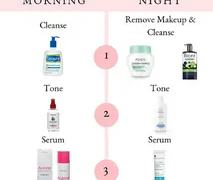
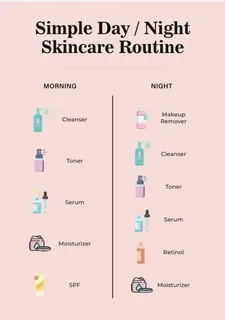
The foundation of a skincare routine is usually cleansing, moisturizing, and sun protection.
Cleansing removes impurities, excess oil, sweat, and makeup. Choose a cleanser that is suitable for your skin and comfortable enough to use consistently.
After cleansing, moisturizer helps maintain hydration and supports the skin’s protective barrier.
During the daytime, sunscreen is one of the most important protective products in a skincare routine. Ultraviolet exposure can contribute to premature skin aging and other types of skin damage.
Knowing Your Skin Type
Understanding your skin type can help you select appropriate products.
Oily skin may produce more sebum and appear shiny. Dry skin can feel tight, rough, or uncomfortable. Combination skin often contains both oily and dry areas, while sensitive skin may react more easily to certain ingredients.
Skin characteristics can also change over time. Weather, lifestyle, age, and other factors may influence how your skin behaves.
Instead of following a rigid routine forever, observe your skin and make reasonable adjustments when necessary.
Introducing New Skincare Products
When trying new skincare products, introducing them gradually can be helpful. Adding several new products at once can make it difficult to identify which one is responsible if irritation occurs.
Read product instructions carefully and use products according to their intended purpose.
If a product causes significant irritation, swelling, burning, or another concerning reaction, discontinue use and seek appropriate professional advice when necessary.
Preparing the Skin for Makeup
Good makeup starts with good preparation.
Before applying makeup, cleanse and moisturize the skin appropriately. Allow skincare products to settle before moving on to makeup.
Primer can be useful for specific concerns such as excessive shine, dryness, or makeup longevity, but it is not essential for everyone.
The most important goal is to create a clean, comfortable base.
Choosing the Right Foundation
Foundation is one of the most visible makeup products, so choosing the right shade is essential.
Consider your natural skin tone and undertone when selecting a foundation. A suitable shade should blend naturally rather than create a noticeable difference between the face and neck.
The desired finish is another important consideration. Some people prefer a matte appearance, while others enjoy a natural or radiant finish.
Coverage should also match the occasion. Lightweight coverage may be ideal for daily use, while fuller coverage may be preferred for events.
Creating a Simple Makeup Routine
You do not need dozens of products to create an attractive everyday makeup look.
Start with a suitable base. Apply concealer where necessary, then define the brows naturally.
Mascara can emphasize the eyes, while blush can add warmth and dimension.
Complete the look with a lip balm, gloss, lipstick, or another lip product that matches your style.
This simple approach can create a polished appearance suitable for many situations.
Makeup for Professional Settings
Professional makeup should generally focus on balance and neatness.
Neutral eyeshadow shades, natural-looking brows, subtle blush, and a suitable lip color can create an elegant appearance without being distracting.
The goal is to enhance your features while maintaining a polished and appropriate look.
Good blending is particularly important. Even simple makeup can look professional when products are applied carefully.
Makeup for Social Events
Events and celebrations provide more opportunities to experiment.
You might choose stronger eyeshadow, eyeliner, lashes, contour, highlighter, or bold lipstick.
However, balance remains important. A dramatic eye look can be paired with a softer lip, while a bold lip can be complemented by simpler eye makeup.
The final result should reflect the occasion and your personal style.
Choosing Cosmetics With Confidence
The cosmetics market is filled with products at different price points. Choosing wisely requires looking beyond attractive packaging.
Consider the purpose of the product, its formulation, ingredients, suitability for your skin or hair, and how often you expect to use it.
Do not assume that an expensive product will automatically produce better results. The right product is one that performs well for your needs and fits comfortably into your routine.
Maintaining Cosmetic Hygiene
Cosmetic hygiene is essential for maintaining a safe beauty routine.
Clean makeup brushes regularly and wash reusable sponges appropriately. Replace tools when they become excessively worn or difficult to clean.
Avoid sharing eye and lip products because they come into direct contact with sensitive areas.
Store cosmetics properly and follow the manufacturer’s storage recommendations.
If a product changes significantly in smell, color, or texture, it may be best to replace it.
Creating an Affordable Beauty Routine
A professional beauty routine does not have to be expensive.