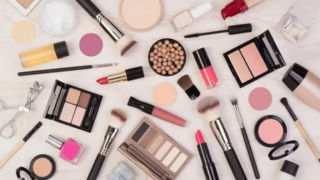
Beauty, Cosmetics and Hair Care: Building a Powerful Brand in the Modern Market
The beauty industry has become one of the most innovative and competitive sectors in today’s consumer market. Makeup, cosmetics, skincare, and hair care products have moved beyond traditional beauty shops and salons and entered a rapidly expanding digital marketplace. Customers can discover a new cosmetic brand through a social media video, learn about a hair care product through a blog post, compare products online, and complete a purchase from their smartphones.
This transformation has created exciting opportunities for entrepreneurs, beauty professionals, manufacturers, retailers, and digital marketers. However, success in the beauty industry requires more than attractive products. Businesses must understand their customers, develop reliable solutions, create a recognizable brand, and use modern marketing strategies to reach the right audience.
A successful beauty business combines product quality, customer education, branding, technology, and marketing into one complete strategy.
The Changing Face of the Beauty Industry
The modern beauty consumer is more informed than previous generations. Customers can research ingredients, watch tutorials, read reviews, compare prices, and discover alternative products within minutes.
This has changed the relationship between beauty businesses and their customers.
In the past, a company could rely heavily on traditional advertising to promote a product. Today, customers often want to see evidence before making a purchase. They want demonstrations, explanations, reviews, recommendations, and information that helps them determine whether a product is appropriate for their needs.
This is especially important for cosmetics and hair care products because individual needs can vary significantly.
A makeup product that works well for one person may not be the preferred option for another. Likewise, a hair care routine that works for one individual may not produce the same experience for someone with a different hair texture, lifestyle, or styling routine.
Beauty companies therefore need to focus on education and personalization.
Quality Should Be the Foundation
Marketing can attract attention, but quality is what can turn a first-time buyer into a loyal customer.
A cosmetics business should pay close attention to product consistency, packaging, usability, safety information, and customer feedback. Customers expect products to perform as described and to provide clear instructions for appropriate use.
The same principle applies to hair care.
Hair products should be developed and marketed around clear customer needs. Instead of making unrealistic promises, businesses should explain how their products are intended to fit into a hair care routine.
Quality should also extend to customer service.
If a customer has a question about a product, the business should provide a helpful response. If an order has a problem, the company should have a clear process for addressing it.
These details may seem small, but they can have a major effect on brand reputation.
Understanding Makeup as a Form of Self-Expression
Makeup is more than a collection of cosmetic products. For many consumers, it is a form of creativity and self-expression.
People use makeup to create different appearances depending on their mood, profession, event, or personal style.
A customer may want a simple everyday appearance, while another may be interested in dramatic makeup for a celebration or professional photoshoot.
This creates opportunities for brands to provide different product categories and educational resources.
Instead of simply advertising lipstick or foundation, a brand can show customers how products can be incorporated into complete looks.
For example, a business could create content around:
- Everyday makeup
- Professional makeup
- Event makeup
- Natural-looking makeup
- Evening makeup
- Beginner makeup
- Creative makeup
- Makeup organization
- Product application techniques
This type of marketing demonstrates possibilities rather than simply listing product features.
Hair Care as a Long-Term Solution
Hair care presents another major opportunity for beauty businesses because customers generally need ongoing products and routines.
Unlike a one-time purchase, hair care can become a continuous part of a customer’s lifestyle.
Customers may purchase shampoo, conditioner, oils, masks, styling products, scalp care products, and other hair maintenance solutions regularly.
For this reason, businesses should focus on building routines rather than promoting isolated products.
A company could educate customers about different stages of hair care, including cleansing, conditioning, moisturizing, styling, and maintenance.
Educational content can also address common concerns such as dryness, breakage, frizz, excessive styling, and maintaining moisture.
The objective should be to help customers make informed decisions rather than encouraging unnecessary product use.
The Power of Beauty Education
One of the most effective ways to market cosmetics and hair care products is through education.
Customers often have questions before buying a product. They may wonder how to use it, when to use it, what it is designed to do, or how it compares with another product.
Beauty brands can answer these questions through content marketing.
A company website could publish articles such as:
“How to Build a Simple Makeup Routine”
“Common Hair Care Mistakes to Avoid”
“How to Organize Your Everyday Beauty Products”
“How to Create a Simple Hair Maintenance Routine”
“What to Consider Before Buying a New Cosmetic Product”
These articles can attract people searching for answers online and introduce them to the company’s products at the same time.
Social Media as a Beauty Marketing Platform
Social media has become one of the most important marketing channels for beauty businesses.
The visual nature of makeup and hair care makes these industries particularly suitable for platforms based around images and video.
Brands can demonstrate their products through short videos, tutorials, product showcases, customer stories, and educational posts.
However, businesses should avoid turning every post into a sales advertisement.
A healthy content strategy can include different types of posts:
Educational content: Teach customers something useful.
Demonstration content: Show how a product can be used.
Entertainment content: Create engaging and relatable beauty content.
Community content: Encourage customers to participate and share experiences.
Promotional content: Introduce products, offers, and new collections.
This balance can make a social media account more interesting and less repetitive.
Building a Strong Online Presence
A professional beauty business should have a strong online presence beyond social media.
A website can act as the central location where customers learn about the company and its products.
The website should include clear product descriptions, quality images, usage information, customer support options, and an easy purchasing process if products are sold online.
A beauty blog can also support the website by providing educational content.
Search engine optimization can help these articles appear when people search for relevant beauty and hair care information.
For example, instead of targeting only highly competitive terms such as “makeup” or “hair care,” a website can create content around specific questions and problems customers are searching for.
This can bring more targeted visitors to the website.
Influencer Marketing and Partnerships
Beauty influencers, makeup artists, hairstylists, and content creators can play an important role in promoting cosmetics and hair care products.
However, successful influencer marketing requires careful selection.
The best partner is not always the person with the largest audience. Relevance and credibility matter.
A creator whose audience is genuinely interested in makeup or hair care may be more valuable than a large account with little connection to the beauty industry.
Businesses should also encourage creators to demonstrate products naturally and provide useful information.
Authenticity can make promotional content more believable and engaging.
Creating Customer Loyalty
A successful beauty brand should not focus only on acquiring new customers. It should also create reasons for existing customers to return.
Customer loyalty can be encouraged through excellent service, useful content, personalized recommendations, rewards, exclusive offers, and consistent product quality.
Email marketing can support this strategy by keeping customers informed about new products, beauty tips, educational content, and relevant promotions.
A customer who feels valued is more likely to remain connected with a brand.
Using Customer Feedback to Improve
Customer feedback is a valuable source of information.
Reviews and questions can reveal what customers like, what they find confusing, and what they would like the company to improve.
For example, if several customers ask the same question about how to use a particular hair care product, the company could create a tutorial answering that question.
If customers repeatedly request a particular type of cosmetic product, the business may consider whether there is an opportunity to expand its product line.
Listening to customers allows businesses to become more responsive and competitive.
The Role of Branding in Beauty Marketing
Branding can make a significant difference in a crowded market.
A beauty brand should have a recognizable visual identity and a clear message.
The logo, packaging, website, photography, social media content, and advertising should feel like parts of the same company.
But branding is not only about appearance. It is also about reputation.
A brand that consistently provides useful information, quality products, responsive service, and transparent communication can develop a stronger relationship with its audience.
Customers should understand what the brand represents and what they can expect from it.
Combining Makeup and Hair Care Into One Strategy
Makeup and hair care can work together naturally within a broader beauty business.
Consider a customer preparing for a wedding, birthday celebration, photoshoot, graduation, or professional event. That customer may be interested in both hair styling and makeup.
A beauty company can create campaigns around complete beauty preparation rather than marketing each product independently.
For example, a business could develop an “event preparation” campaign that includes makeup tips, hair care advice, product recommendations, and styling ideas.
This creates a more complete customer experience and gives the business additional opportunities to introduce complementary products.
Measuring Marketing Results
Marketing decisions should be supported by data.
Businesses can track website visitors, social media engagement, sales, email performance, customer retention, and product demand.
This information can help identify which marketing activities are performing well.
For example, if tutorial videos generate more customer interest than standard promotional posts, the business can increase its investment in educational video content.
If certain products generate repeat purchases, the company can study why customers find them valuable.
Marketing becomes more effective when businesses learn from actual customer behavior rather than relying entirely on assumptions.
Looking Toward the Future
The beauty industry will continue to evolve as technology and consumer expectations change.
Digital commerce, social media, personalization, educational content, and innovative products will continue to influence how customers discover and purchase beauty products.
Businesses that remain flexible will have an advantage.
They should be willing to test new marketing ideas, listen to customers, improve their products, and adapt their communication strategies.
At the same time, the fundamentals will remain important: quality, trust, consistency, transparency, and excellent customer experience.
Conclusion
The modern beauty industry offers enormous opportunities for businesses involved in makeup, cosmetics, and hair care. However, success requires much more than creating a product and placing it on the market.
A strong beauty business understands its customers, develops useful products, communicates honestly, creates educational content, builds a recognizable brand, and uses marketing channels strategically.
Makeup can provide creativity and self-expression, while hair care can provide ongoing solutions for everyday beauty routines. When these categories are combined with professional branding and effective digital marketing, businesses can create a powerful and sustainable presence in the marketplace.
The most successful beauty companies will be those that understand one simple principle: customers do not only buy products; they buy solutions, experiences, confidence, convenience, and trust.
By focusing on these values and combining them with smart marketing, beauty entrepreneurs can build brands that attract attention, create meaningful relationships, and remain competitive for years to come.