Complete Beauty Care: Professional Hair Solutions, Skincare, Makeup and Cosmetic Tips
Taking care of your appearance is not simply about looking attractive. A good beauty routine can also be an important part of self-care, confidence, and personal expression. Hair care, skincare, makeup, and cosmetics all play different roles in helping people maintain a polished and healthy-looking appearance. When these areas are approached with the right knowledge, beauty care becomes easier, more practical, and more enjoyable.
The modern beauty market offers an enormous selection of products, from hair treatments and moisturizers to foundations, lipsticks, serums, and professional makeup tools. While having many options can be helpful, it can also make it difficult to determine which products are genuinely useful. The solution is not to purchase everything available. Instead, consumers should understand their individual needs, establish consistent routines, and select products carefully.
Understanding Your Hair Before Choosing Products
Hair is different for everyone. Texture, thickness, length, porosity, styling history, and environmental exposure can all affect the way hair behaves. A product that produces excellent results for one person may not produce the same results for another.
The first step toward better hair care is understanding the condition of your hair and scalp. Is your hair dry or oily? Does it break easily? Does it become tangled? Is your scalp comfortable? Do you regularly use heat or chemical treatments?
Answering questions like these can help you create a more effective routine.
A basic hair-care routine should usually include appropriate cleansing and conditioning. Shampoo helps remove oil, sweat, dirt, and product buildup, while conditioner can improve softness and manageability.
Maintaining Moisture and Hair Strength
Moisture is an important consideration for many hair types, particularly hair that frequently feels dry or rough. Environmental conditions, frequent washing, heat styling, and chemical processing can all affect how hair feels.
Deep-conditioning treatments can be incorporated when appropriate. Leave-in conditioners and other moisturizing products may also help improve manageability.
However, applying large amounts of product does not necessarily produce better results. Too much product can create buildup and make hair feel heavy. Start with a small amount and adjust according to how your hair responds.
Protecting Hair From Everyday Damage
Hair can be damaged by more than just chemical treatments. Everyday habits can also contribute to breakage.
Excessive brushing, tight hairstyles, frequent heat styling, and rough drying techniques can place unnecessary stress on the hair.
When drying the hair, avoid vigorous rubbing. Gentle handling can reduce friction. When detangling, work carefully through knots rather than pulling aggressively.
If heat styling is part of your routine, use appropriate heat protection and avoid unnecessarily high temperatures.
Protective hairstyles can also reduce manipulation. However, a protective style should never cause persistent pain or excessive tension.
Scalp Care and Hair Health
A healthy hair routine should include attention to the scalp. Regular cleansing can help remove excess oil and buildup, while gentle handling can reduce irritation.
Hair tools should also be kept clean. Brushes, combs, and styling accessories can collect oils, hair products, and debris over time.
Persistent scalp problems such as severe itching, unusual sores, significant flaking, or sudden hair loss may require professional evaluation rather than simply adding more cosmetic products.
Building a Skincare Routine That Works
Skincare is most effective when it is consistent. Instead of constantly changing products, establish a basic routine and give your skin time to respond.
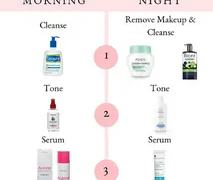
Cleansing is the first step. A suitable facial cleanser removes dirt, sweat, excess oil, and makeup. The cleanser should be appropriate for your skin type and should not leave the skin excessively uncomfortable.
Moisturizing comes next. Even people with oily skin may benefit from a suitable moisturizer because hydration and oiliness are not exactly the same thing.
For daytime routines, sunscreen is a valuable final step. Regular exposure to ultraviolet radiation can contribute to premature skin aging and skin damage. Broad-spectrum sunscreen can help protect the skin when used appropriately.
Identifying Your Skin’s Needs
Different skin types have different characteristics. Oily skin may produce more sebum, while dry skin may feel tight or rough. Combination skin can have both oily and dry areas, and sensitive skin may react more easily to particular ingredients.
Your skin can also change over time. Weather, lifestyle, age, and other factors can affect its appearance and comfort.
When introducing a new product, consider starting gradually. Introducing multiple new products at the same time can make it difficult to determine which product is responsible if irritation occurs.
If a product causes significant or persistent irritation, stop using it and consider seeking appropriate professional advice.
The Importance of Skin Preparation Before Makeup
Great makeup application begins before the first makeup product is applied. Proper skin preparation can help create a smoother surface and improve how makeup looks throughout the day.
Begin with clean skin. Apply an appropriate moisturizer and allow it to settle before applying makeup.
Primer can be useful depending on your needs. Some primers help control shine, others provide hydration, while others help create a smoother-looking base.
However, not everyone needs primer. If your existing skincare routine provides a comfortable base, you may be able to apply makeup without it.
Selecting the Right Makeup Foundation
Foundation should complement your natural complexion rather than completely changing it.
When choosing a foundation, consider both your skin tone and undertone. The shade should blend naturally with the surrounding skin.
It is also important to consider the desired finish. Some people prefer a natural or dewy appearance, while others prefer a matte finish.
Coverage should also match the occasion. Lightweight products may be ideal for everyday wear, while fuller coverage may be preferred for events or photography.
Creating an Elegant Everyday Makeup Look
A professional everyday makeup look can be simple and effective.
After preparing the skin, apply a light layer of foundation or skin tint if desired. Use concealer only where additional coverage is necessary.
Shape the brows naturally and apply mascara to emphasize the eyes. A subtle blush can add warmth to the complexion, while a neutral lip color can complete the appearance.
The advantage of this approach is versatility. It can work for professional environments, meetings, casual outings, shopping, and everyday activities.
Creating a More Dramatic Look
For evening events and celebrations, makeup can become more expressive.
You may choose stronger eyeshadow, eyeliner, false lashes, contouring, highlighter, or a bold lipstick.
However, dramatic makeup still requires precision. Blending is especially important when working with eyeshadow, contour, and foundation.
Rather than making every feature equally dramatic, select a main focus. Strong eye makeup can be balanced with a softer lip, while a bold lip can be paired with simpler eye makeup.
Cosmetics for Different Beauty Needs
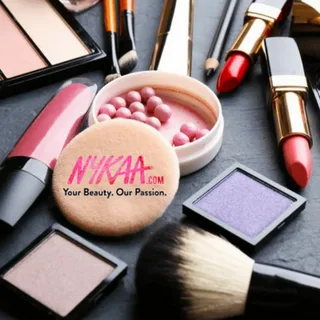
Cosmetics are designed for a wide range of purposes. Some products provide coverage, some add color, some enhance features, and others are designed to support skin or hair appearance.
When choosing cosmetics, consider ingredients, formulation, product purpose, and compatibility with your skin or hair.
Do not assume that a higher price automatically means better quality. An affordable product that suits your needs may be more useful than an expensive product that does not.
Maintaining Cosmetic Hygiene
Good hygiene is essential when using cosmetics.
Makeup brushes should be cleaned regularly, while sponges should be washed and replaced when necessary. Products that come into direct contact with the eyes and lips should not be shared.
Avoid applying makeup with dirty hands or tools. Close containers properly after use and store products according to the manufacturer’s recommendations.
Heat and humidity can affect certain cosmetic formulations, so products should generally be stored in appropriate conditions.
If a product develops an unusual smell, changes color, or develops an unexpected texture, it should be examined carefully and replaced when necessary.
Choosing Beauty Products More Intelligently
Beauty shopping should be based on needs rather than impulse.
Before purchasing a product, ask yourself what problem it is intended to solve. If you already have several products performing the same function, another purchase may not be necessary.
Reading labels and understanding basic ingredients can also help consumers make better decisions.
It is equally important to be cautious about unrealistic claims. No cosmetic product can guarantee perfect skin or hair overnight. Sustainable beauty results usually come from consistent care and realistic expectations.
The Role of Lifestyle in Beauty
Products are only one part of personal care. Lifestyle habits can also influence overall appearance.
Maintaining a balanced diet, staying adequately hydrated, getting sufficient rest, exercising regularly, and practicing good hygiene can support general well-being.
Stress management is also important. When people are constantly stressed or exhausted, maintaining regular self-care routines can become more difficult.
Beauty should therefore be viewed as part of a broader lifestyle rather than something achieved entirely through cosmetics.
Building a Routine You Can Maintain
A beauty routine should fit your schedule. If a routine contains too many steps, you may eventually stop following it.
Start with the essentials. For hair, this may mean cleansing, conditioning, moisturizing, and protecting the hair from unnecessary damage.
For skincare, begin with cleansing, moisturizing, and daytime sun protection.
For makeup, choose versatile products that can create multiple looks.
Once the basics are established, you can add additional treatments and cosmetics based on specific needs.
Final Thoughts
Effective beauty care is about making informed choices rather than following every trend. Hair solutions, skincare routines, makeup, and cosmetics can work together to create a polished and confident appearance, but each area requires thoughtful attention.
Healthy-looking hair benefits from appropriate cleansing, conditioning, gentle handling, scalp care, and protection against unnecessary damage. Skin benefits from consistent cleansing, hydration, and sun protection. Makeup can enhance natural features and provide a creative way to express individual personality.
Cosmetics should be selected according to personal needs and used with proper hygiene. Expensive products are not automatically better, and complicated routines are not automatically more effective.
The most successful beauty routine is one that is realistic, consistent, and suited to the individual. By understanding your hair and skin, choosing products carefully, and developing sustainable habits, you can create a beauty routine that supports confidence and personal expression.
Beauty does not have to mean perfection. It is about caring for yourself, understanding your unique features, and using the right tools to bring out the best version of your appearance. With the right combination of hair care, skincare, makeup, and cosmetics, everyday personal care can become a rewarding and enjoyable part of your lifestyle.