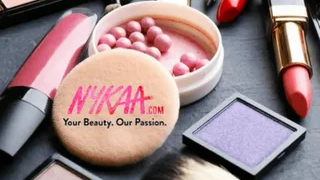
Growing a Modern Beauty Business: The Power of Cosmetics, Hair Care and Effective Marketing
The beauty industry is constantly evolving, creating new opportunities for businesses that understand changing customer expectations. Makeup, cosmetics, and hair care products are no longer sold only through traditional beauty stores. Today, customers can discover products through social media, online stores, search engines, beauty blogs, influencers, and digital communities.
This transformation has made it possible for both small entrepreneurs and established companies to reach large audiences. However, it has also increased competition. Customers have more choices, more information, and more opportunities to compare brands before making a purchase.
For a beauty business to succeed in this environment, it must combine excellent products with strong branding, customer education, effective marketing, and a reliable customer experience.
The goal should not simply be to sell cosmetics or hair products. The goal should be to create a brand that customers trust and remember.
Understanding the Modern Beauty Market
The modern beauty market includes a wide range of products and services. Makeup, hair care, skincare, beauty accessories, salon services, and personal care solutions all form part of the broader industry.
Consumers also have different reasons for purchasing beauty products. Some are looking for everyday essentials, while others want products for special events or professional use.
Some customers are interested in experimenting with new styles, while others prefer simple and practical routines.
This diversity creates opportunities for businesses to specialize.
A company does not necessarily need to sell every beauty product available. Instead, it can focus on a particular audience and develop products and marketing messages around that audience.
A focused approach can make it easier for customers to understand what the brand offers and why it is different.
The Importance of High-Quality Cosmetics
Quality is one of the most important factors in building a successful cosmetics brand.
Customers expect products to perform consistently and to be presented with accurate information.
Makeup products such as foundation, powder, concealer, lipstick, mascara, blush, and eyeshadow can be marketed in many different ways, but the customer’s actual experience with the product ultimately determines whether they will purchase again.
Businesses should therefore pay attention to product development, packaging, usability, instructions, and customer feedback.
Quality also means being responsible with marketing claims.
A company should communicate what a product is designed to do without creating unrealistic expectations.
Honest communication can strengthen customer confidence and protect the reputation of the brand.
Hair Care Solutions for Different Routines
Hair care is another important category with significant potential for long-term customer relationships.
People may purchase hair care products regularly as part of their personal routines. This makes hair care different from some beauty purchases that happen only occasionally.
Products can include shampoos, conditioners, oils, masks, styling products, scalp care products, and other maintenance solutions.
However, businesses should recognize that hair needs can differ from person to person.
Instead of presenting one product as the perfect answer for everyone, professional brands can provide educational information that helps customers understand how different products may fit into different routines.
This approach can create more trust and help customers make informed purchasing decisions.
Beauty Products and Customer Confidence
One of the most powerful aspects of the beauty industry is its connection to confidence and self-expression.
Makeup can help people experiment with different appearances, while hair care and styling can help individuals express their personal identity.
This emotional connection can influence purchasing decisions.
For businesses, understanding this connection can improve marketing.
Rather than focusing entirely on product features, companies can communicate the experience surrounding their products.
A makeup campaign might focus on creativity and self-expression. A hair care campaign might emphasize confidence, routine, and personal care.
The important thing is to communicate authentically and avoid unrealistic beauty standards.
Creating a Recognizable Brand
A strong brand can help a beauty business stand out in a crowded marketplace.
Branding includes visual elements such as logos, packaging, typography, photography, and website design. It also includes the company’s voice, values, customer service, and overall experience.
A business should decide what it wants customers to associate with its name.
For example, a company might focus on affordability, professional quality, simplicity, premium beauty, innovation, convenience, or education.
Once a position is established, the company should communicate it consistently.
Consistency helps customers recognize the brand across different platforms.
Social Media Marketing for Beauty Businesses
Social media has become one of the most important marketing channels for beauty companies.
Makeup and hair care products are naturally suited to visual content. Businesses can demonstrate how products are used and show customers practical ways to incorporate them into their routines.
Content can include:
- Makeup tutorials
- Hair care demonstrations
- Product introductions
- Beauty tips
- Customer stories
- Behind-the-scenes content
- Frequently asked questions
- Product comparisons
- Beauty education
- New collection announcements
The best content should provide a reason for people to stop, watch, read, or interact.
Businesses should also respond to comments and questions. Social media should be treated as a communication channel rather than only an advertising platform.
The Value of Educational Content
Educational content can help a beauty brand become a trusted source of information.
Many consumers search online before purchasing products. They may want to understand how a cosmetic should be applied or how to structure a hair care routine.
Businesses can answer these questions through blog posts, videos, guides, and social media content.
For example, a cosmetics company could publish an article about creating a simple makeup routine for beginners.
A hair care company could publish a guide explaining the importance of consistency in everyday hair maintenance.
This content can attract potential customers while demonstrating the company’s knowledge.
Building an Effective Website
A professional website is an important part of modern beauty marketing.
Social media can attract attention, but a website gives businesses more control over how customers learn about their products and services.
A good beauty website should have:
- Clear product information
- High-quality product images
- Easy navigation
- Mobile-friendly design
- Contact information
- Customer support
- Frequently asked questions
- Educational content
- Simple purchasing options
Product pages should answer the questions customers are likely to have before purchasing.
The easier it is for customers to understand a product, the more confident they may feel about making a purchase.
Search Engine Optimization for Beauty Brands
Search engine optimization, commonly known as SEO, can help beauty businesses attract customers who are actively searching for information.
Instead of relying entirely on paid advertising, businesses can publish useful content targeting relevant search queries.
Potential topics include:
- Best makeup routines for beginners
- Hair care tips for busy people
- How to organize cosmetics
- Common makeup mistakes
- How to create a simple beauty routine
- Hair maintenance tips
- How to choose beauty products
- Makeup ideas for special occasions
SEO is not simply about inserting keywords into an article. High-quality content should genuinely answer the user’s question.
When a website consistently provides useful information, it can build visibility over time.
Influencer Marketing and Brand Partnerships
Beauty influencers can introduce products to highly relevant audiences.
Makeup artists, hairstylists, beauty creators, and other professionals can demonstrate products and explain how they use them.
However, businesses should select partnerships carefully.
The right influencer should have an audience that matches the brand’s target market.
Authenticity should also be a priority. Customers tend to respond better to content that feels natural and informative rather than overly scripted advertising.
A successful partnership should benefit both the brand and the creator’s audience.
Customer Reviews and Reputation
Online reviews can strongly influence beauty purchases.
Customers often want to know how other people experienced a product before buying it.
Businesses should encourage genuine reviews from satisfied customers.
They should also respond professionally to criticism.
Negative feedback can provide useful information about areas that need improvement. If a business handles complaints respectfully and attempts to solve legitimate problems, it can demonstrate that customer satisfaction matters.
Reputation is built through many small interactions.
Email Marketing and Customer Retention
Email marketing can help beauty brands maintain relationships with customers after a purchase.
Businesses can send helpful content such as product tips, beauty guides, new product announcements, promotions, and loyalty offers.
Personalization can make email campaigns more useful.
For example, a customer who regularly purchases hair care products may be more interested in hair-related information than makeup promotions.
Customer retention should be treated as an important part of business growth.
A returning customer already knows the brand, which means the company has an opportunity to build on an existing relationship.
Combining Makeup and Hair Care Campaigns
Makeup and hair care can be marketed together because customers often consider their overall appearance rather than individual products.
Businesses can create campaigns around occasions such as weddings, birthdays, graduations, celebrations, professional events, or photoshoots.
A campaign might provide hair preparation advice, makeup suggestions, product recommendations, and styling ideas.
This approach allows the business to promote multiple product categories while giving customers a complete beauty experience.
Using Data to Improve Marketing
Successful businesses learn from their customers.
Marketing data can reveal which products are popular, which articles receive the most traffic, which social media posts attract engagement, and which campaigns generate sales.
This information can guide future decisions.
For example, if customers frequently interact with hair care tutorials, a business may decide to produce more educational hair content.
If a certain product receives many website visits but few purchases, the company can investigate whether the product page needs better information or presentation.
Data allows businesses to improve rather than simply repeat the same strategies.
The Future of Beauty Business
The future of the beauty industry will continue to be influenced by digital technology, changing consumer expectations, e-commerce, social media, and personalization.
Customers will continue to expect convenient shopping experiences and useful information.
Businesses that remain flexible and willing to learn will have an advantage.
However, technology will not replace the fundamentals of a successful beauty business.
Quality, honesty, customer service, consistency, and trust will remain essential.
Conclusion
Growing a modern beauty business requires a combination of quality products, customer understanding, strong branding, and effective marketing.
Makeup and cosmetics provide opportunities for creativity and self-expression, while hair care products can become part of customers’ regular personal care routines. When these products are supported by educational content, social media marketing, SEO, influencer partnerships, email communication, and excellent customer service, a business can build a strong and recognizable presence.
The beauty industry is competitive, but competition also creates opportunities for businesses that are willing to provide genuine value.
A successful beauty brand does not simply ask customers to buy something. It educates, inspires, solves problems, builds confidence, and creates trust.
By combining these principles with professional marketing and consistent product quality, beauty businesses can develop lasting customer relationships and build a brand capable of growing in the modern marketplace.