Smart Beauty Solutions: Hair Care, Skincare, Makeup and Cosmetics for a Complete Routine
A well-designed beauty routine can make everyday personal care simpler, more enjoyable, and more effective. Hair care, skincare, makeup, and cosmetics are often discussed as separate areas of beauty, but they can work together to create a complete approach to personal grooming. When people understand their individual needs and choose suitable products, they can build routines that support healthy-looking hair and skin while allowing room for creativity and self-expression.
The beauty industry has expanded significantly, offering products for virtually every concern and preference. From specialized hair treatments and facial cleansers to foundations, lip colors, serums, and cosmetic accessories, there are countless options available. However, having more choices also means consumers need to become more informed.
A successful beauty routine does not require dozens of expensive products. It requires consistency, appropriate products, good hygiene, and realistic expectations.
Understanding Your Personal Beauty Needs
The first step toward creating an effective routine is understanding what your hair and skin actually need. Everyone has different characteristics, and products should be selected accordingly.
Hair can vary in texture, thickness, length, moisture level, and sensitivity to styling. Skin can range from oily to dry, combination, normal, or sensitive. These differences influence how products should be selected and used.
Instead of copying another person’s routine exactly, use beauty information as a starting point. A product that works perfectly for someone else may not be appropriate for your particular needs.
Taking time to observe your hair and skin can help you make better choices and avoid unnecessary purchases.
Creating a Professional Hair Care Routine
Hair care begins with the scalp. Regular cleansing can remove excess oil, sweat, dirt, and styling-product buildup.
The right shampoo depends on your hair and scalp. People with oily scalps may prefer a cleansing formula that removes excess oil effectively, while people with dry hair may prefer a gentler approach.
Washing too frequently may not be ideal for every hair type. Your washing schedule should reflect your lifestyle, scalp condition, hair texture, and use of styling products.
After cleansing, conditioner can help improve softness and manageability. It can also make detangling easier and reduce the rough feeling that some hair experiences after washing.
Hair Moisture and Conditioning
Moisture is an important consideration for hair that feels dry or difficult to manage. Environmental conditions, heat styling, chemical processing, and frequent manipulation can affect the hair’s condition.
Deep-conditioning treatments can be incorporated into a routine when appropriate. Leave-in conditioners and moisturizing products can also support manageability.
However, hair care should remain balanced. Using excessive amounts of products may lead to buildup and make the hair feel heavy.
The best approach is to start with a small amount and increase only when necessary.
Preventing Hair Damage
Prevention is one of the most valuable hair-care strategies. Hair can become damaged through excessive heat, tight hairstyles, rough brushing, and frequent chemical processing.
If you use heat tools, consider using appropriate heat protection and avoid unnecessarily high temperatures.
When detangling, be gentle. Start with difficult areas carefully instead of pulling aggressively.
Tight hairstyles should also be monitored. A style that causes continuous pain or tension is not a good long-term solution.
Protective hairstyles can reduce daily manipulation, but they should be installed and maintained carefully.
Taking Care of the Scalp
Scalp care should be included in any complete hair routine. A clean and comfortable scalp can support better hair maintenance.
Keep combs, brushes, and styling tools clean. Avoid constantly scratching the scalp or applying unnecessary products that may cause irritation.
Persistent scalp problems should not automatically be treated with cosmetic products. Severe itching, unusual sores, significant flaking, or sudden hair loss may require professional evaluation.
Building a Reliable Skincare Routine
Skincare is most successful when it is simple enough to maintain consistently.
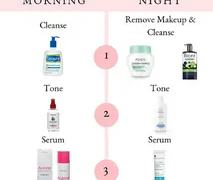
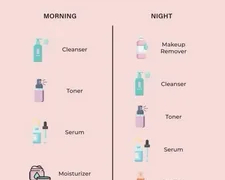
A basic routine often includes cleansing, moisturizing, and sun protection.
Cleansing helps remove dirt, oil, sweat, and makeup. Choose a cleanser that works comfortably with your skin rather than selecting one simply because it is popular.
Moisturizer helps maintain hydration and supports the skin’s protective barrier. Different textures are available, from lightweight lotions to richer creams.
During the day, sunscreen is an important protective step. Ultraviolet exposure can contribute to premature skin aging and other forms of skin damage, making sun protection an important long-term habit.
Adjusting Skincare to Your Skin Type
Your skin type can influence the products that work best.
Oily skin may benefit from lightweight formulations, while dry skin may feel more comfortable with richer moisturizing products. Combination skin may require different approaches for different areas of the face.
Sensitive skin often requires extra attention to product selection. Introducing one new product at a time can make it easier to identify whether a particular product is causing irritation.
Do not assume that stronger products will always produce better results. In skincare, excessive use of certain ingredients can sometimes cause unnecessary irritation.
Preparing Skin for Makeup
Good makeup begins with good preparation.
Before applying makeup, cleanse the face and use suitable skincare products. Allow moisturizer and other products enough time to settle.
A properly prepared surface can help makeup apply more evenly.
Primer may be helpful for people who want to improve makeup longevity, manage shine, or create a smoother-looking base. However, it is optional rather than essential.
The most important preparation is clean, comfortable, appropriately moisturized skin.
Selecting the Right Foundation
Foundation is one of the most visible makeup products, so choosing the right shade and formulation is important.
The shade should blend naturally with your complexion. Consider both skin tone and undertone when making a selection.
You should also think about the finish you prefer. A matte finish may be appealing to some people, while others prefer a natural or radiant appearance.
Coverage should be based on your needs. Lightweight coverage can be suitable for everyday use, while fuller coverage may be preferred for events.
Avoid applying more foundation simply because you want more coverage. Building the product gradually often produces a more natural result.
Makeup Techniques for Everyday Confidence
An everyday makeup routine can be simple while still creating a polished appearance.
After preparing the skin, apply foundation or a lighter base if desired. Use concealer only where additional coverage is needed.
Define the brows without making them appear overly heavy. Apply mascara to emphasize the eyes, followed by a small amount of blush to add warmth.
Complete the look with a lip product that suits your personal style.
This type of makeup is flexible enough for work, meetings, shopping, casual outings, and everyday activities.
Creating Makeup Looks for Special Events
Special occasions allow more creativity. Weddings, parties, dinners, celebrations, and photoshoots may call for more defined makeup.
You can incorporate stronger eyeshadow, eyeliner, false lashes, contouring, highlighter, and bold lip colors.
However, professional-looking makeup still depends on balance and blending. Applying many products without proper blending can produce an uneven result.
Choose a main feature for the look. If the eyes are dramatic, consider keeping the lips softer. If you want bold lipstick, a simpler eye look can create a balanced appearance.
Choosing Cosmetics Responsibly
Cosmetics should be purchased with purpose.
Before buying a product, ask yourself what it is designed to do and whether you actually need it. Consider ingredients, formulation, product quality, and suitability for your skin.
Packaging and advertising can be attractive, but they should not be the only reasons for making a purchase.
An affordable cosmetic that suits your needs may be more useful than a premium product that does not work well for you.
Maintaining Makeup and Cosmetic Hygiene
Good hygiene is essential when using cosmetics.
Wash makeup brushes regularly and clean sponges appropriately. Replace tools when they become difficult to clean or excessively worn.
Do not share products that come into direct contact with the eyes or lips. Keeping cosmetics personal can help reduce the possibility of transferring microorganisms.
Store products in suitable conditions and keep containers properly closed.
If a product develops an unusual smell, color, or texture, consider replacing it rather than continuing to use it.
Creating a Cost-Effective Beauty Routine
Beauty does not need to be expensive.
Begin with essential products and build your collection gradually. For hair care, focus on cleansing, conditioning, moisture, and protection.
For skincare, prioritize cleanser, moisturizer, and sunscreen.
For makeup, choose versatile products that can be used for different occasions.
This approach can help prevent unnecessary spending and reduce the amount of unused cosmetics in your collection.
The Influence of Lifestyle and Daily Habits
Personal care is influenced by more than cosmetics.
Good hygiene, adequate rest, balanced nutrition, hydration, physical activity, and stress management can all contribute to general well-being.
Beauty products should complement healthy habits rather than replace them.
If a person has a persistent hair or skin concern, cosmetic products may not always address the underlying cause. In such situations, professional guidance may be appropriate.
Building Confidence Through Personal Style
One of the most positive aspects of beauty is the ability to express individuality.
Some people enjoy natural makeup and simple hairstyles, while others prefer bold colors, elaborate hairstyles, and creative cosmetics. There is no single definition of beauty that everyone must follow.
Your beauty routine should support your confidence rather than make you feel pressured to look a certain way.
Experimenting with makeup, hairstyles, and cosmetics can be enjoyable when it is approached as a form of creativity rather than perfection.
Final Thoughts
A complete beauty routine combines practical hair solutions, consistent skincare, thoughtful makeup application, and responsible cosmetic choices. The goal is not to own the largest collection of beauty products but to understand which products genuinely serve your needs.
Healthy-looking hair benefits from appropriate cleansing, conditioning, gentle styling, scalp care, and protection from unnecessary damage. Skincare benefits from consistency, hydration, cleansing, and daytime sun protection.
Makeup can enhance natural features and provide an opportunity for personal expression. Cosmetics should be selected carefully, stored properly, and used hygienically.
The most effective beauty routine is one that fits your lifestyle and can be maintained over time. By focusing on quality rather than quantity, learning about your individual needs, and avoiding unrealistic beauty expectations, you can develop a routine that is both practical and professional.
Beauty is ultimately about feeling confident and comfortable with yourself. Hair care, skincare, makeup, and cosmetics can all play a role in that process, but the most important foundation is self-care. When you combine healthy habits with suitable products and consistent routines, you can create a beauty approach that supports your appearance, confidence, and personal style every day.