Beauty Care Essentials: Healthy Hair, Glowing Skin, Makeup and Cosmetics
Beauty and personal care have become an important part of modern lifestyles. From maintaining healthy hair and hydrated skin to choosing the right makeup and cosmetics, people are becoming more conscious of how they care for and present themselves. However, effective beauty care is not about using the largest number of products or following every trend on social media. It is about understanding your personal needs and developing habits that support a clean, healthy, and confident appearance.
The beauty industry continues to introduce innovative products for different hair textures, skin types, and personal styles. This provides consumers with more opportunities to customize their routines, but it also creates the challenge of deciding which products are genuinely useful. A thoughtful beauty routine should focus on quality, consistency, hygiene, and suitability.
Whether you are interested in professional hair solutions, daily skincare, natural-looking makeup, or modern cosmetics, understanding the fundamentals can help you make better decisions.
Creating a Strong Foundation for Hair Care
Beautiful hair begins with proper care. Hair can be affected by environmental conditions, styling techniques, chemical treatments, heat, and everyday handling. Without appropriate care, it may become dry, weak, tangled, or difficult to manage.
The first step is understanding your hair’s characteristics. Consider its texture, thickness, moisture level, and overall condition. Also pay attention to your scalp because scalp care is an important part of maintaining a healthy hair routine.
Regular cleansing helps remove dirt, sweat, excess oil, and styling-product buildup. However, the ideal cleansing frequency varies from person to person. Someone with an oily scalp may require more frequent washing than someone whose hair and scalp tend to be dry.
Choosing a suitable shampoo is therefore more important than simply choosing a popular brand.
The Importance of Conditioning
Conditioning can help improve the feel and manageability of the hair. It may reduce tangling and make the hair easier to comb or style.
People with dry or damaged hair may benefit from using deeper conditioning treatments when appropriate. Leave-in conditioners can also be useful for certain hair types because they provide additional conditioning between washes.
The key is moderation. Applying excessive amounts of product may create buildup and leave the hair feeling heavy. Start with a reasonable amount and adjust according to your hair’s response.
Protecting Hair During Styling
Styling is an important part of personal appearance, but frequent styling can sometimes place stress on the hair.
Heat tools such as straighteners, curling irons, and high-temperature blow dryers should be used carefully. Excessive heat can contribute to dryness and damage, particularly when used frequently.
When heat styling is necessary, using a suitable heat-protection product and avoiding unnecessarily high temperatures can help reduce exposure.
Tight hairstyles should also be approached carefully. Styles that constantly pull on the hair can cause discomfort and may contribute to breakage around the hairline.
Managing Hair in Different Seasons
Weather can influence both hair and scalp. Humidity may increase frizz, while dry weather may leave some hair types feeling less hydrated.
During periods of high humidity, lightweight styling products may help improve manageability. In dry conditions, conditioning and moisturizing practices may become more important.
The goal is to adjust your routine according to how your hair behaves rather than following one routine throughout the entire year.
Establishing a Consistent Skincare Routine
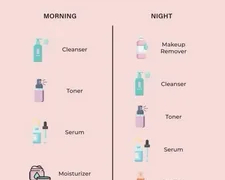
Healthy-looking skin requires consistency. A complicated routine is not always necessary. In many cases, the foundation consists of cleansing, moisturizing, and sun protection.
Cleansing removes dirt, excess oil, sweat, and makeup. A gentle cleanser that matches your skin type can help keep the skin clean without creating unnecessary discomfort.
Moisturizer helps maintain hydration and supports the skin barrier. There are many different formulations available, allowing people to choose products based on their skin characteristics and preferences.
During the daytime, sunscreen is an important part of skin protection. Ultraviolet exposure can contribute to premature skin aging and other types of skin damage. Using broad-spectrum sun protection appropriately can therefore be an important long-term skincare habit.
Understanding Skin Changes
Skin does not always remain the same. Weather, age, lifestyle, hormones, stress, and other factors can influence how it looks and feels.
A moisturizer that feels comfortable during one season may feel too heavy during another. Similarly, a cleanser that works well under one set of conditions may need to be adjusted as your skin changes.
Instead of using products simply because they are trending, observe your skin and choose products according to its current needs.
If you experience persistent irritation, severe redness, swelling, or other concerning changes, it is better to seek appropriate professional advice rather than continuously adding cosmetic products.
Preparing the Skin Before Makeup
A beautiful makeup application starts with preparation. Clean and appropriately moisturized skin can provide a better surface for foundation and other products.
Begin by cleansing the skin. Apply your regular skincare products and allow them enough time to settle.
Primer can be used when it serves a specific purpose. Some primers are designed to improve hydration, control shine, smooth the appearance of texture, or help makeup last longer.
However, primer is optional. The most important foundation is healthy and properly prepared skin.
Choosing Makeup According to Your Lifestyle
Makeup should fit your lifestyle. Someone who spends most of the day at work may prefer a simple, professional look, while someone attending an evening event may want a more dramatic appearance.
Everyday makeup can include a lightweight base, concealer, brow product, mascara, blush, and lip color. This provides a polished appearance without requiring a large number of products.
For special events, additional products such as eyeliner, eyeshadow, contour, highlighter, and stronger lip colors can be introduced.
The best makeup routine is the one that makes you feel comfortable and confident.
Creating a Professional Makeup Look
Professional makeup is generally about balance, cleanliness, and subtle enhancement.
Start with a suitable base that matches your complexion. Apply concealer only where necessary and blend the products carefully.
Brows should look defined but natural. Neutral eyeshadow colors can add definition without appearing excessive. Mascara can emphasize the eyes, while a subtle blush adds warmth.
A neutral or moderately colored lip can complete the look.
The objective is not to hide your natural appearance but to create a polished and well-balanced finish.
Makeup for Special Events
Special occasions allow more creativity. Evening makeup may involve stronger eye colors, more defined eyeliner, fuller lashes, contouring, and a bold lip.
However, dramatic makeup still requires careful blending. Poorly blended products can make even expensive cosmetics look uneven.
When planning a special-event makeup look, consider the lighting, clothing, hairstyle, and occasion. These elements can help determine the most appropriate colors and intensity.
Selecting Quality Cosmetics
Choosing cosmetics should involve more than looking at packaging. Consider the product’s purpose, ingredients, formulation, suitability for your skin, and expected use.
An expensive cosmetic is not automatically better than an affordable alternative. The most useful product is one that performs well for your needs and fits comfortably into your routine.
When possible, learn about the product before purchasing it. Understanding what a cosmetic is designed to do can help prevent unnecessary spending.
The Importance of Cosmetic Hygiene
Good hygiene is essential when using beauty products.
Makeup brushes should be cleaned regularly to remove accumulated makeup, oils, and debris. Makeup sponges should also be washed and replaced appropriately.
Avoid sharing products that come into direct contact with the eyes or lips. Sharing cosmetics can increase the risk of transferring microorganisms.
Keep containers closed when they are not being used and store products according to the manufacturer’s instructions.
If a cosmetic develops an unusual smell, texture, or color, it may be time to replace it.
Building a Minimal Beauty Collection
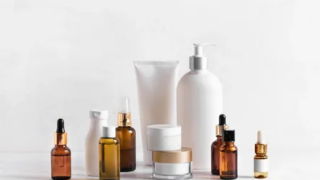
A large beauty collection is not necessary to achieve a professional appearance. In fact, a smaller collection can make your routine easier and more affordable.
For hair care, begin with products that address cleansing, conditioning, moisture, and styling.
For skincare, start with a cleanser, moisturizer, and sunscreen.
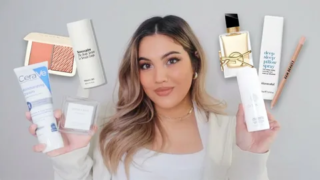
For makeup, versatile products can provide several different looks. A foundation or skin tint, concealer, mascara, brow product, blush, and lip product can form the basis of an everyday collection.
Additional products can be added when a specific need arises.
Responsible Beauty Shopping
Beauty shopping can easily become expensive when consumers constantly purchase trending products. Before buying something new, consider whether it solves a real problem or simply looks attractive in an advertisement.
Read product descriptions carefully and avoid unrealistic promises. Beauty products can improve the appearance and feel of hair or skin, but they cannot replace healthy habits or professional treatment when a genuine medical concern exists.
Planning purchases can help reduce waste and ensure that products are actually used.
Beauty, Confidence, and Self-Expression
Beauty is not simply about following a particular standard. Makeup, hairstyles, skincare, and cosmetics provide opportunities for self-expression.
One person may prefer a minimalist appearance, while another may enjoy colorful makeup and creative hairstyles. Both approaches can be equally valid.
The purpose of beauty care should be to help people feel comfortable and confident rather than pressured to achieve an unrealistic image.
Final Thoughts
A complete beauty routine combines thoughtful hair care, consistent skincare, appropriate makeup, and responsible cosmetic choices. None of these areas needs to be unnecessarily complicated.
Healthy-looking hair requires suitable cleansing, conditioning, gentle handling, and protection from avoidable damage. Skincare benefits from consistent cleansing, moisturizing, and daytime sun protection. Makeup can enhance natural features and provide an opportunity for creativity, while cosmetics should be selected according to personal needs and used hygienically.
The most effective beauty routine is one that fits your lifestyle and can be maintained consistently. Instead of purchasing every new product or following every trend, focus on understanding your hair and skin, selecting useful products, and developing sustainable habits.
Beauty is ultimately about more than appearance. It is about self-care, confidence, individuality, and feeling comfortable with who you are. With the right approach to hair solutions, skincare, makeup, and cosmetics, anyone can build a practical beauty routine that supports both personal style and everyday confidence.