Beauty and Personal Care Guide: Smart Hair Solutions, Skincare, Makeup and Cosmetics
Beauty and personal care have become an important part of everyday life. People are increasingly interested in maintaining healthy-looking hair, caring for their skin, learning effective makeup techniques, and choosing cosmetics that match their individual needs. However, achieving a polished appearance is not simply about purchasing the latest products. It requires knowledge, consistency, good habits, and an understanding of what works for your particular hair and skin.
The beauty industry offers an enormous variety of shampoos, conditioners, treatments, moisturizers, cleansers, foundations, lip products, fragrances, and other cosmetics. While this variety provides plenty of choices, it can also make beauty shopping confusing. A smart approach is to focus on the basics first and then introduce additional products when there is a clear reason to use them.
Hair Care Starts With the Right Routine
Healthy-looking hair requires regular attention. Whether you have natural curls, straight hair, relaxed hair, colored hair, or another hair type, your routine should be based on the condition and needs of your hair.
Cleansing is an essential first step. Shampoo helps remove excess oil, sweat, dirt, and product buildup from the scalp and hair. However, using a cleanser that is too harsh or washing excessively may contribute to dryness for some people.
The frequency of washing should depend on factors such as scalp oiliness, hair texture, lifestyle, exercise, weather, and styling habits. Someone who exercises frequently may need to cleanse more often than someone with a less active routine.
Conditioning should follow cleansing when appropriate. Conditioner helps improve softness and manageability and can make detangling easier.
Solutions for Dry and Damaged Hair
Dryness is one of the most common hair concerns. Hair may become dry because of environmental exposure, frequent heat styling, chemical processing, or inadequate conditioning.
A good solution is to focus on moisture and gentle handling. Deep-conditioning treatments can be incorporated into a routine when appropriate, particularly for hair that feels dry or difficult to manage.
Reducing unnecessary heat styling can also help. When using heated tools, avoid excessively high temperatures and consider using a suitable heat-protective product.
Hair should also be handled gently during detangling. Pulling aggressively through knots can cause breakage. Work through tangles carefully, starting from the ends and moving upward when appropriate.
Managing Frizz and Unmanageable Hair
Frizz can occur for several reasons, including humidity, dryness, hair texture, damage, and styling techniques. Managing frizz begins with maintaining appropriate moisture and avoiding excessive manipulation.
Using suitable conditioning products and avoiding rough towel-drying may help reduce unnecessary friction. Instead of vigorously rubbing the hair, gently squeeze out excess water.
Styling products can also help create a more controlled appearance. However, applying excessive amounts of product may create buildup, making regular cleansing important.
Caring for the Scalp
The scalp is an important part of the hair-care routine and should not be ignored. A clean and comfortable scalp provides a healthy environment for hair.
Avoid excessive scratching or using irritating products. Keep brushes, combs, and other hair tools clean, particularly when they are shared within a household.
If someone experiences persistent scalp irritation, severe flaking, sores, or unusual hair loss, cosmetic products may not be enough. Professional medical advice may be necessary to determine the underlying cause.
Creating a Strong Skincare Routine
Skincare is another major component of personal care. A consistent routine can help maintain clean, comfortable, healthy-looking skin.
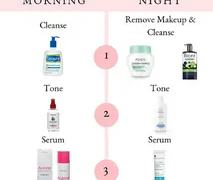
The basic foundation is simple: cleanse, moisturize, and protect.
A suitable cleanser helps remove dirt, sweat, oil, and makeup. The cleanser should match the individual’s skin type and should not leave the face feeling excessively tight or uncomfortable.
After cleansing, moisturizer helps maintain hydration and supports the skin barrier. Different formulations are available for oily, dry, combination, and sensitive skin.
During the day, sunscreen should be considered an essential part of skincare. Ultraviolet exposure can contribute to premature skin aging and other forms of skin damage. Regular use of broad-spectrum sun protection can therefore be an important long-term habit.
Understanding Different Skin Types
Knowing your skin type can make product selection much easier.
Oily skin often produces excess sebum and may appear shiny. Dry skin may feel tight, rough, or uncomfortable. Combination skin commonly has oilier areas alongside drier areas, while sensitive skin may react more easily to certain products.
Skin can also change due to weather, age, lifestyle, and other factors. This means that the products you use today may not always be the products you need in the future.
When trying a new product, introduce it gradually. If irritation occurs, discontinue use and assess whether the product is appropriate.
Skincare Before Makeup
One of the most important beauty principles is that makeup application begins with skincare.
Applying makeup to poorly moisturized skin can make the complexion look uneven. Dry patches may become more noticeable, while excessive oil may affect the longevity of foundation.
Begin by cleansing and moisturizing appropriately. Allow skincare products to absorb before applying makeup.
Primer can be used when necessary. Some primers are designed to improve hydration, reduce shine, smooth the appearance of texture, or help makeup last longer.
Choosing Foundation Correctly
Foundation can transform the overall appearance of a makeup look, but choosing the wrong shade can produce an unnatural result.
When selecting foundation, consider both skin tone and undertone. The product should blend naturally with the complexion rather than creating an obvious contrast between the face and neck.
Coverage is another consideration. Some people prefer lightweight products that allow natural skin features to remain visible, while others may prefer fuller coverage for particular occasions.
There is no universally correct level of coverage. The best choice depends on the desired appearance and personal preference.
Everyday Makeup for a Polished Appearance
Everyday makeup does not have to be complicated. A simple routine can create a clean and professional appearance.
Start with a well-prepared complexion. Apply foundation or skin tint if desired, followed by concealer where additional coverage is necessary.
Define the brows naturally and add mascara to emphasize the eyes. A small amount of blush can add warmth to the face, while a neutral lip color can complete the look.
This approach is suitable for many everyday situations because it enhances the face without appearing excessively dramatic.
Makeup for Events and Special Occasions
Special occasions provide more freedom to experiment with makeup. Weddings, parties, celebrations, dinners, and professional events may call for different levels of coverage and intensity.
For an evening look, you may choose stronger eyeshadow, defined eyeliner, fuller lashes, contouring, or a more dramatic lip color.
However, good makeup is about balance. Rather than emphasizing every feature at maximum intensity, choose one or two areas to highlight.
For example, a dramatic eye look can be paired with a softer lip, while bold lipstick can become the main feature of a simpler eye look.
Choosing Cosmetics Wisely
Cosmetics should be selected based on quality, suitability, ingredients, and intended use rather than popularity alone.
Before purchasing a product, consider whether it is appropriate for your skin type and whether it fits into your existing routine. Reading the product information can help you understand how it should be applied and stored.
Avoid purchasing large quantities of products simply because they are trending. A smaller collection of products that you regularly use can be more valuable than a large collection that remains untouched.
Makeup Hygiene Matters
Cosmetic hygiene is an important part of beauty care. Makeup brushes and sponges can collect oils, residue, and microorganisms over time.
Clean brushes regularly and replace makeup tools when they become excessively worn or difficult to clean. Avoid sharing products that come into direct contact with the eyes or lips.
Cosmetics should also be stored properly. Excessive heat, moisture, and sunlight can affect certain products.
Always pay attention to changes in a product’s smell, color, texture, or consistency. When a product appears significantly different from its original condition, it may be time to replace it.
Building a Beauty Routine on a Budget
Looking after your hair and skin does not have to be expensive. Start with essential products rather than trying to purchase an entire beauty collection at once.
A basic hair routine might include an appropriate cleanser, conditioner, and moisturizing or styling product.
A simple skincare routine can begin with cleanser, moisturizer, and sunscreen.
For makeup, start with versatile products such as foundation or skin tint, concealer, mascara, brow products, blush, and lip color.
Once these essentials are established, additional products can be added based on specific needs.
The Role of Lifestyle in Beauty
Beauty products are only one part of personal care. Lifestyle habits can also influence the appearance and condition of hair and skin.
A balanced diet, adequate hydration, sufficient rest, physical activity, and good hygiene all contribute to general well-being. Managing stress can also be important because prolonged stress may affect how people feel and how they care for themselves.
The goal should not be perfection. Instead, focus on sustainable habits that fit naturally into everyday life.
Avoiding Unrealistic Beauty Expectations
Social media has created new opportunities to learn about makeup, skincare, and hair care, but it can also create unrealistic expectations.
Images and videos may involve professional lighting, filters, editing, professional makeup artists, or carefully selected angles. Real skin naturally has texture, pores, marks, and other characteristics.
Beauty routines should therefore be used to support confidence rather than create pressure to achieve an unrealistic appearance.
Final Thoughts
A professional beauty routine does not depend on having the most expensive products or following every new trend. It begins with understanding your hair, skin, and personal preferences.
Effective hair care involves appropriate cleansing, conditioning, gentle handling, scalp care, and protection from unnecessary damage. Skincare should focus on consistent cleansing, moisturizing, and sun protection, while makeup can be used to enhance natural features and express individual style.
Cosmetics should be selected carefully, stored properly, and used hygienically. Most importantly, every product should have a purpose within your routine.
The beauty industry will continue to introduce new products and techniques, but the fundamentals of personal care remain important. By focusing on healthy habits, informed product choices, and consistent routines, anyone can develop a beauty system that is practical, professional, and sustainable.
True beauty is not about having a perfect appearance. It is about caring for yourself, feeling comfortable in your own skin, and using beauty products as tools for confidence and self-expression. When hair care, skincare, makeup, and cosmetics are combined thoughtfully, they can become an enjoyable and valuable part of everyday life.